
Protein and Cancer: Best Protein Foods, Meat to Limit and How to Cook Them
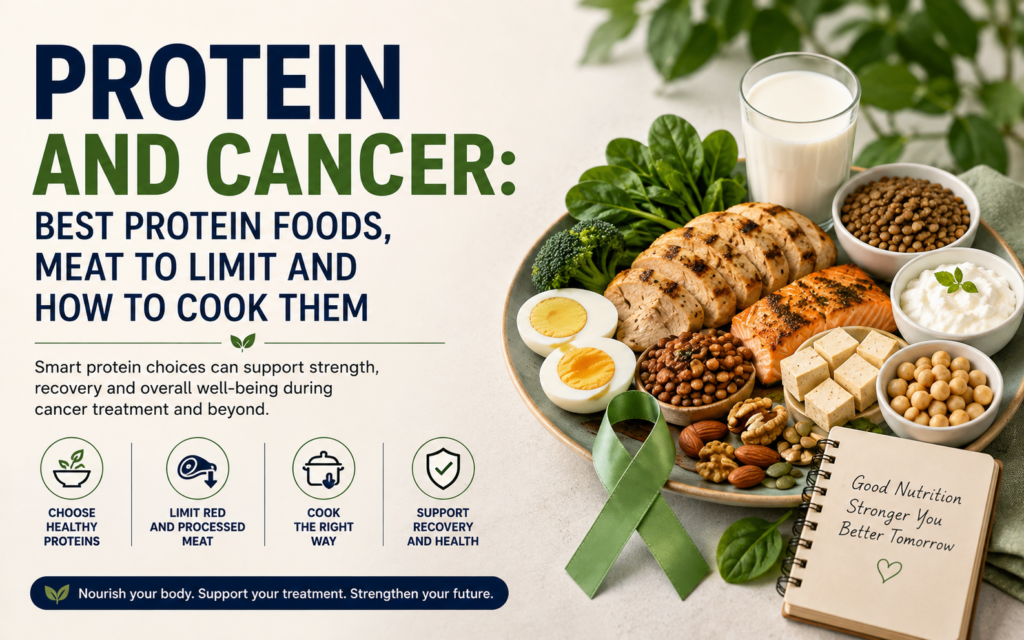
Protein is an important part of nutrition during cancer treatment and recovery. It helps maintain muscle mass, repair tissues, support normal immune function and maintain strength when the body is dealing with cancer, surgery, chemotherapy, radiation therapy or other treatments. But there is an important misconception about protein and cancer: More protein is not always better. For someone with cancer, the important questions are: How much protein do I need? Which protein foods are best? Can I eat chicken, eggs, fish or paneer? Is mutton considered red meat? Should cancer patients avoid meat? Are sausages and salami harmful? Does the way meat is cooked matter? Can I take protein powder during chemotherapy? The answers depend on the individual’s cancer, treatment, nutritional status, weight, appetite and other medical conditions. This guide explains what cancer patients and cancer survivors should know about protein, meat, cancer nutrition and healthy food choices. Why Is Protein Important During Cancer Treatment? Protein is one of the body’s essential building blocks. During cancer treatment, adequate protein can help support: Muscle maintenance Tissue repair Wound healing Physical strength Recovery after surgery Nutritional status Recovery during cancer treatment Cancer and its treatments can sometimes reduce appetite or make eating difficult. Nausea, vomiting, mouth sores, taste changes, swallowing difficulties, fatigue and other treatment-related side effects may make it harder to consume enough food. This can contribute to weight loss and loss of muscle mass. This is why protein should not automatically be restricted simply because someone has cancer. The better question is: What amount of protein is appropriate for my individual condition, and which foods are the best sources? How Much Protein Should a Cancer Patient Eat? There is no single protein requirement that applies to every cancer patient. Protein needs can depend on: Body weight Age Cancer type and stage Current treatment Weight loss Muscle mass Nutritional status Physical activity Kidney function Liver function Other medical conditions Clinical nutrition guidance commonly recommends that protein intake for people with cancer should generally be above 1 gram per kilogram of body weight per day and, when possible, up to approximately 1.5 grams per kilogram per day, depending on the individual’s situation. Body Weight Approximate Protein Range 60 kg More than 60 g, up to around 90 g/day 70 kg More than 70 g, up to around 105 g/day 80 kg More than 80 g, up to around 120 g/day Important: These numbers are not individual prescriptions. Someone who is losing weight or experiencing malnutrition may have different requirements. Someone with kidney disease or another medical condition may also need a different nutritional plan. Cancer patients should not determine their protein requirements solely from an online calculator. An oncologist and oncology dietitian can help determine an appropriate nutritional target. Does Eating More Protein Mean More Muscle? Not necessarily. This is one of the most common misconceptions about protein. Maintaining muscle during and after cancer treatment depends on several factors, including: Adequate protein + adequate calories + appropriate physical activity + overall nutrition + effective cancer treatment Once nutritional requirements are being met, simply consuming very large amounts of protein does not automatically result in more muscle. For many cancer patients, the priority is to prevent muscle loss and malnutrition, rather than consuming excessive amounts of protein. What Are the Best Protein Foods for Cancer Patients? There is no single “best protein” for everyone with cancer. A balanced cancer nutrition plan can include a variety of protein sources. Dal and lentils Beans and chickpeas Soy and tofu Fish Eggs Milk and curd Paneer Fresh chicken and other poultry Nuts and seeds 1. Dal, Lentils and Pulses Indian diets have a major advantage when it comes to plant-based protein. Foods such as moong dal, masoor dal, chana, rajma, lobia, chickpeas, sambar and other pulses can provide protein along with fibre and other nutrients. For many patients, including pulses regularly is a practical way to increase protein without relying heavily on meat. 2. Soy and Tofu Soy foods can be useful sources of plant-based protein. Tofu Soybeans Edamame Tempeh Soy chunks Unsweetened soy milk For most people, there is no reason to automatically eliminate normal amounts of whole soy foods from a balanced diet. However, individual dietary advice may be appropriate depending on the person’s cancer, treatment and other medical factors. 3. Fish Fish is a nutrient-rich source of protein and can be a useful alternative to red meat. Depending on availability and preference, options can include sardines, mackerel, rohu, pomfret, salmon and other locally available fish. Fish can be prepared using steaming, baking, poaching, light pan cooking or pressure cooking. Deep-frying is not necessary to make fish part of a healthy diet. 4. Eggs Eggs are an affordable and convenient source of high-quality protein. One medium egg provides approximately 6 grams of protein. Eggs can be prepared as boiled eggs, omelettes, egg bhurji, scrambled eggs or egg curry. During cancer treatment, food safety is particularly important for some patients. If your treating team has recommended additional food-safety precautions, avoid raw or undercooked eggs and follow their specific advice. 5. Milk, Curd, Yogurt and Paneer Dairy foods can contribute protein and other nutrients. Milk Curd Yogurt Greek yogurt Paneer Cottage cheese The best choice depends on calorie requirements, tolerance and individual medical needs. 6. Chicken and Other Poultry Fresh chicken can be a useful protein source. Examples include home-cooked chicken, chicken soup, baked chicken, steamed chicken and lightly prepared chicken curry. However, there is an important distinction between fresh chicken and processed chicken products. Chicken sausages, nuggets, luncheon meats and other processed poultry products may contain high amounts of salt and other additives. Can Cancer Patients Eat Red Meat? Yes, but red meat should be limited rather than treated as the main protein source. Red meat includes meat from mammals such as beef, mutton, lamb, pork and goat. Goat meat is also classified as red meat. Red meat provides useful nutrients including protein, iron, zinc and vitamin B12. However, higher consumption of red meat
Life After Cancer Treatment: Your Complete Survivorship Roadmap
By Dr. Saadvik Raghuram, Director of Medical Oncology & Hemato-Oncology, MD ( Radiation Oncology), DM(Medical Oncology), MRCP(UK),ECMO,PDCR Completing cancer treatment is one of the most significant milestones in a patient’s journey. Whether you have undergone chemotherapy, immunotherapy, radiation therapy, targeted therapy, or surgery, hearing the words “your treatment is complete” often brings a sense of relief, gratitude, and hope. However, many cancer survivors quickly discover that life after treatment comes with its own set of challenges. In my oncology practice in Hyderabad, many patients tell me that they expected to feel normal immediately after treatment. Instead, they experience fatigue, emotional ups and downs, anxiety about recurrence, and uncertainty about what comes next. Cancer survivorship is not simply about being cancer-free. It is about rebuilding physical health, restoring emotional wellbeing, monitoring long-term health, and learning how to confidently move forward. This comprehensive survivorship guide explains what patients and families should know about life after cancer treatment, including follow-up care, common challenges, recurrence monitoring, lifestyle modifications, and long-term recovery strategies. Understanding Cancer Survivorship A cancer survivor is anyone who has been diagnosed with cancer and continues to live beyond the diagnosis. Modern cancer treatments have dramatically improved survival outcomes, meaning more patients than ever are living long, fulfilling lives after cancer. However, survivorship often involves: The transition from active treatment to survivorship can feel overwhelming without proper guidance. The First Six Months After Cancer Treatment The first six months after treatment are often the most challenging. Although treatment has ended, the body is still recovering from the effects of therapy. Many survivors experience: Research shows that cancer-related fatigue affects up to 80% of cancer survivors, making it one of the most common post-treatment concerns. Cancer-Related Fatigue: Why It Happens Unlike normal tiredness, cancer-related fatigue is not always relieved by rest. Patients often describe it as: How to Manage Fatigue Evidence consistently shows that moderate exercise is one of the most effective treatments. Recommended activities include: Most patients can gradually begin with: and slowly increase activity levels. Common Side Effects That May Persist After Treatment Many survivors continue to experience lingering effects for weeks or months. Peripheral Neuropathy Common after certain chemotherapy drugs. Symptoms include: Management may involve: Cognitive Changes (“Chemo Brain”) Some survivors report: These symptoms often improve over time. Helpful strategies include: Hair Loss Recovery Hair typically begins regrowing within months after treatment. Patients may notice: Recovery varies based on treatment type. Lymphedema Some patients develop swelling following surgery or radiation involving lymph nodes. Common areas include: Early intervention significantly improves outcomes. Why Every Cancer Survivor Needs a Survivorship Care Plan One of the most important aspects of post-treatment care is having a structured Survivorship Care Plan (SCP). A survivorship care plan serves as a roadmap for long-term health. Your Plan Should Include Treatment Summary Follow-Up Schedule A clear timeline for future visits and investigations. Monitoring for Late Effects Some treatment effects may appear months or years later. Examples include: Lifestyle Recommendations Including: Recommended Cancer Follow-Up Schedule While schedules vary depending on cancer type, many patients follow a structure similar to: Year 1 – Every 3 months Years 2–3 – Every 4–6 months Years 4–5 – Every 6 months Beyond 5 Years – Annual follow-up visits Additional tests may include: Your oncologist will personalize surveillance based on your diagnosis and treatment history. Emotional Recovery: The Hidden Part of Survivorship Physical recovery is only one part of healing. Studies suggest that up to 40% of cancer survivors experience anxiety or depression after treatment. Many survivors describe: These reactions are common and understandable. Cancer is not only a physical illness—it is also an emotional experience. Managing Fear of Cancer Recurrence One of the most common concerns among survivors is: “What if the cancer comes back?” This fear affects patients across all cancer types. Healthy strategies include: Understanding your actual recurrence risk often reduces unnecessary anxiety. Returning to Work After Cancer Treatment For many survivors, returning to work represents an important milestone. Benefits include: However, the transition should be gradual. Consider: Many survivors benefit from a phased return-to-work approach. Rebuilding Relationships and Family Life Cancer can affect: Open communication is essential. Partners and family members often experience emotional stress as well, making family-centred support valuable during survivorship. Lifestyle Changes That Reduce Cancer Recurrence Risk Although no lifestyle change guarantees prevention, several evidence-based habits are associated with better outcomes. Exercise Aim for: Weight Management Maintaining a healthy weight may reduce recurrence risk in several cancers. Tobacco Avoidance Smoking cessation is essential. Continued tobacco use increases the risk of: Alcohol Reduction Alcohol is classified as a Group 1 carcinogen. Limiting or avoiding alcohol is recommended. Sleep Most adults require: Sleep supports: Frequently Asked Questions Is it normal to feel anxious after cancer treatment? Yes. Many survivors experience anxiety after treatment ends. Professional support can be extremely helpful if anxiety interferes with daily life. When can I start exercising after treatment? Most patients can begin gentle activity shortly after treatment. Always discuss individual recommendations with your oncologist. How do I know if cancer has returned? Symptoms vary by cancer type. Any persistent new symptom should be discussed with your oncology team promptly. How often should I see my oncologist after treatment? Most patients require visits every 3–6 months initially, with frequency decreasing over time. Can I live a normal life after cancer? Absolutely. Millions of cancer survivors worldwide live healthy, productive, and fulfilling lives after treatment. About Dr. Saadvik Raghuram Dr. Saadvik Raghuram, Director of Medical Oncology & Hemato-Oncology, MD ( Radiation Oncology), DM(Medical Oncology), MRCP(UK),ECMO,PDCR is a leading Oncologist in Hyderabad with over 12+ years of experience in cancer treatment, immunotherapy, targeted therapy, survivorship care, and long-term follow-up management. He provides comprehensive survivorship planning and personalized follow-up care for cancer survivors across Hyderabad and Telangana. Book a Survivorship Consultation If you have completed cancer treatment and would like expert guidance on follow-up care, fatigue management, recurrence monitoring, or survivorship planning, schedule a consultation with Dr. Saadvik Raghuram in Hyderabad.
Cancer Survivors’ Nutrition and Recovery: What You Need to Know After Treatment
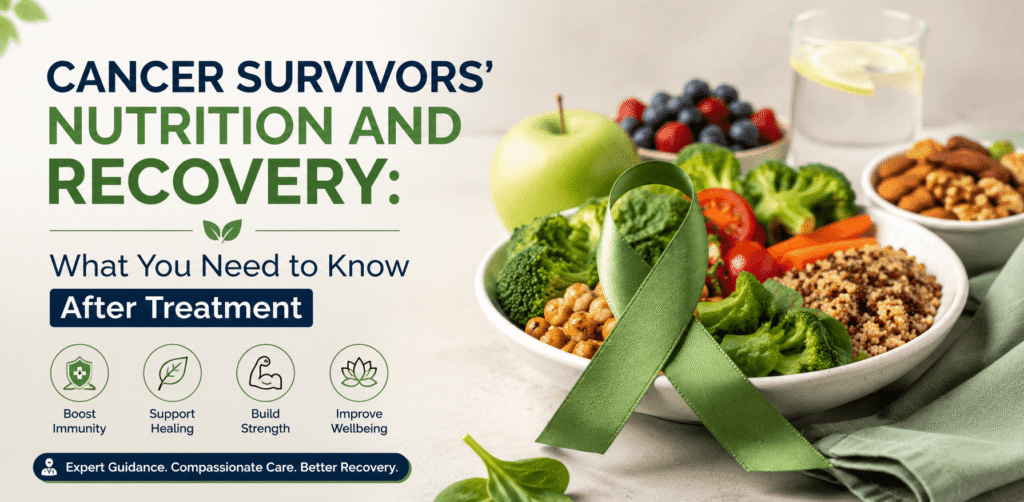
By Dr. Saadvik Raghuram, Director of Medical Oncology & Hemato-Oncology, MD ( Radiation Oncology), DM(Medical Oncology), MRCP(UK),ECMO,PDCR Cancer treatment is often described as a marathon rather than a sprint. Completing chemotherapy, immunotherapy, radiation therapy, or cancer surgery is a major milestone, but recovery does not stop when treatment ends. In fact, the weeks and months after treatment are a crucial phase in rebuilding strength, restoring immunity, and improving long-term health. One of the most common questions I hear from cancer survivors in Hyderabad is: “Doctor, what should I eat now to recover faster and prevent cancer from coming back?” The answer is not a miracle food, expensive supplement, or restrictive diet. Instead, recovery nutrition focuses on providing the body with the right balance of protein, healthy fats, complex carbohydrates, vitamins, minerals, and hydration. As a Leading Oncologist in Hyderabad, I have seen firsthand how proper nutrition can significantly improve recovery, reduce fatigue, support immune function, and enhance quality of life after cancer treatment. This guide explains the science behind cancer recovery nutrition, the foods that support healing, common dietary mistakes to avoid, and practical recommendations for cancer survivors and their families. Why Nutrition Matters After Cancer Treatment Cancer and its treatments place enormous demands on the body. Many patients experience: Research suggests that nearly 40% of cancer patients experience some degree of malnutrition during treatment, which can negatively impact recovery and overall outcomes. Studies also indicate that lifestyle and dietary factors may influence approximately 30–35% of cancer recurrences, highlighting the importance of long-term healthy eating habits. Proper nutrition helps: For cancer survivors in Hyderabad and across Telangana, the good news is that many traditional Indian foods already provide an excellent nutritional foundation when consumed in balanced proportions. Understanding the Nutritional Needs of Cancer Survivors Recovery nutrition differs from general healthy eating. Following treatment, the body often requires: Increased Protein Intake Protein plays a vital role in: Most cancer survivors require approximately 1.2–1.5 grams of protein per kilogram of body weight daily, which is significantly higher than the requirements of healthy adults. Greater Micronutrient Support Cancer treatment can affect levels of: Deficiencies should be identified through appropriate testing and corrected under medical supervision. Adequate Hydration Dehydration is a common but often overlooked cause of: Most survivors should aim for at least 2–3 litres of fluids daily unless otherwise advised. Protein: The Most Important Nutrient for Recovery Among all nutrients, protein deserves special attention. Many patients lose significant muscle mass during chemotherapy or radiation therapy. Without adequate protein intake, survivors may experience: Best Protein Sources for Cancer Survivors Vegetarian Sources Non-Vegetarian Sources Protein-Rich Snacks I often advise my patients in Hyderabad to include a source of protein in every meal rather than consuming most of it at dinner. Choosing the Right Carbohydrates Carbohydrates are often misunderstood. Many survivors worry that eating carbohydrates or sugar will “feed cancer.” This is an oversimplification. The body requires carbohydrates for energy, particularly during recovery. The focus should be on choosing high-quality complex carbohydrates. Better Choices Foods to Limit Complex carbohydrates provide sustained energy and help support healthy gut bacteria. Healthy Fats and Their Role in Recovery Not all fats are harmful. Certain fats actually help reduce inflammation and support overall health. Recommended Sources Limit Omega-3 fatty acids found in walnuts, flaxseeds, and fish have demonstrated anti-inflammatory properties and may contribute to better overall health outcomes. Anti-Cancer Foods to Include Regularly While no single food can prevent cancer recurrence, several foods contain beneficial compounds that support recovery. Turmeric (Haldi) Turmeric contains curcumin, a natural compound with anti-inflammatory properties. Practical use: Cruciferous Vegetables Examples include: These vegetables contain compounds such as sulforaphane that support natural detoxification processes. Garlic and Onions Rich in bioactive compounds including allicin and quercetin. Benefits include: Green Leafy Vegetables Examples: These vegetables provide: Berries and Vitamin C Rich Fruits Examples: These support: Managing Common Nutritional Challenges After Chemotherapy Taste Changes Many patients experience metallic or bitter tastes. Helpful strategies include: Loss of Appetite Strategies include: Avoid forcing large meals. Gut Health Recovery Chemotherapy often affects the gut microbiome. Helpful foods include: A healthy gut contributes to digestion, immunity, and overall wellbeing. Foods and Habits Cancer Survivors Should Avoid To support long-term health, limit: Maintaining a healthy body weight is equally important. Obesity has been associated with poorer outcomes in several cancer types, including breast, colorectal, and endometrial cancers. Can Cancer Survivors Follow a Vegetarian Diet? Absolutely. A well-planned vegetarian Indian diet can provide: The key is variety and balance. Patients following vegetarian diets should discuss Vitamin B12 and Vitamin D monitoring with their oncologist. Should Cancer Survivors Take Supplements? This is one of the most common questions I receive in my oncology practice. The answer is simple: Not every survivor requires supplements. Supplements should only be taken after medical evaluation. Some high-dose supplements may interfere with ongoing treatments or interact with medications. Always consult your oncologist before starting: Frequently Asked Questions What is the best diet after chemotherapy? A balanced diet rich in protein, fruits, vegetables, whole grains, and healthy fats is generally recommended for most cancer survivors. Can cancer survivors eat rice? Yes. Rice can be part of a healthy recovery diet, especially when combined with protein and vegetables. Is sugar bad for cancer patients? Sugar does not directly feed cancer cells, but excessive sugar consumption may contribute to obesity and inflammation, which can negatively affect overall health. How much protein should a cancer survivor consume? Most survivors benefit from approximately 1.2–1.5 grams of protein per kilogram of body weight daily. Can a vegetarian diet support cancer recovery? Yes. A well-planned vegetarian diet can provide all essential nutrients required for recovery. About Dr. Saadvik Raghuram Dr. Saadvik Raghuram, Director of Medical Oncology & Hemato-Oncology, MD ( Radiation Oncology), DM(Medical Oncology), MRCP(UK),ECMO,PDCR is a leading Oncologist in Hyderabad with over 12+ years of experience in the diagnosis and treatment of various cancers including breast cancer, lung cancer, colon cancer, lymphoma, leukemia, multiple myeloma, and gastrointestinal cancers. He specializes in precision oncology, chemotherapy, immunotherapy,
Pesticides and Early-Onset Colorectal Cancer: What Young Adults in India Need to Know
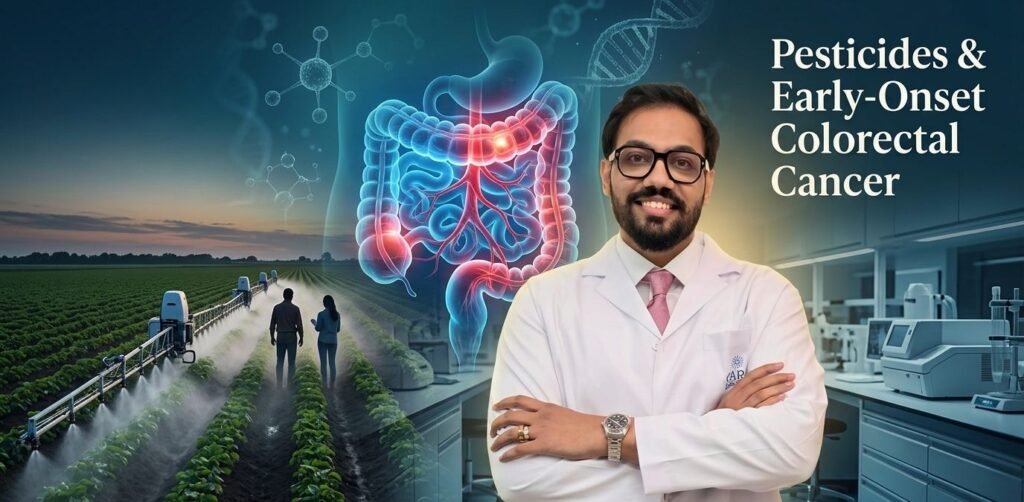
By Dr. Saadvik Raghuram — Medical Oncologist in Hyderabad Colorectal cancer was once considered a disease affecting mainly adults over the age of 50. However, doctors worldwide are witnessing a concerning trend—more young adults are being diagnosed with colon and rectal cancers than ever before. A recent study presented at the European Society for Medical Oncology (ESMO) highlighted a possible environmental factor contributing to this rise: pesticide exposure, particularly a herbicide known as picloram. As a Medical Oncologist in Hyderabad treating gastrointestinal cancers, I believe this research is important—not because it should create fear, but because it encourages conversations around prevention, lifestyle, environmental health, and early cancer awareness. What Did the New Study Reveal About Pesticides and Colon Cancer? Researchers from the Vall d’Hebron Institute of Oncology studied the “exposome”—the total environmental exposures a person encounters throughout life. This includes: Using advanced epigenetic analysis, researchers identified DNA methylation fingerprints associated with Early-Onset Colorectal Cancer (EOCRC)—defined as colorectal cancer diagnosed before age 50. The study found: ✔ Smoking and unhealthy diet remained major risk factors✔ Exposure signatures linked to picloram herbicide showed associations with EOCRC✔ Areas with higher herbicide exposure had increased rates of colorectal cancer in younger adults Importantly, researchers clarified: Why Is Early-Onset Colorectal Cancer Increasing in Young Adults? Globally, colorectal cancer rates among adults under 50 are steadily increasing. Many patients diagnosed with colon cancer have no family history, prompting experts to investigate lifestyle and environmental contributors. Potential causes include: Lifestyle Factors Biological & Environmental Factors Modern cancer research increasingly suggests long-term environmental exposure may influence cancer development over time. What Is Picloram? Picloram is a herbicide widely used in agriculture for weed control. Research observed that tumors linked with higher picloram exposure showed distinct molecular characteristics, including fewer APC gene mutations. However, this does NOT mean: Cancer development remains multifactorial. Colon Cancer Symptoms Young Adults Should Never Ignore One major reason for delayed diagnosis is symptom misinterpretation. Many young individuals assume symptoms are due to piles, acidity, stress, or IBS. Seek medical evaluation if you experience: Early detection significantly improves treatment outcomes. How to Reduce Your Risk of Colorectal Cancer 1. Eat a High-Fiber Diet Increase: Reduce: 2. Maintain Healthy Weight Obesity significantly increases colorectal cancer risk. 3. Exercise Regularly Aim for at least: 150 minutes of moderate activity weekly. 4. Avoid Smoking and Limit Alcohol Smoking remains one of the most preventable causes of cancer. 5. Reduce Environmental Exposure While evidence is still evolving: Should Young Adults Undergo Colon Cancer Screening? Screening guidelines continue to evolve because of increasing early-onset cases. Consider discussing screening if you have: Colonoscopy can often detect precancerous polyps before cancer develops. Frequently Asked Questions Can pesticides cause colon cancer? Current research suggests pesticide exposure may be associated with increased colorectal cancer risk. However, more studies are needed before confirming direct causation. Can young adults get colon cancer? Yes. Early-onset colorectal cancer is increasing globally among adults below 50 years. What are early warning signs of colon cancer? Blood in stool, changes in bowel habits, unexplained weight loss, abdominal pain, and persistent digestive symptoms. Is colon cancer preventable? Healthy lifestyle choices including regular exercise, high-fiber diet, avoiding smoking, and timely screening may reduce risk. Consult Dr. Saadvik Raghuram – Medical Oncologist in Hyderabad If you are experiencing persistent digestive symptoms, unexplained weight loss, or need expert cancer screening guidance, consult Dr. Saadvik Raghuram for comprehensive cancer care. Services include: ✔ Cancer screening guidance✔ Chemotherapy✔ Immunotherapy✔ Personalized treatment planning✔ Gastrointestinal cancer care Location: CARE Hospitals Outpatient Centre, Banjara Hills, Hyderabad
World Ovarian Cancer Day 2026: Latest Advances in Ovarian Cancer Treatment | Best Oncologist in Hyderabad
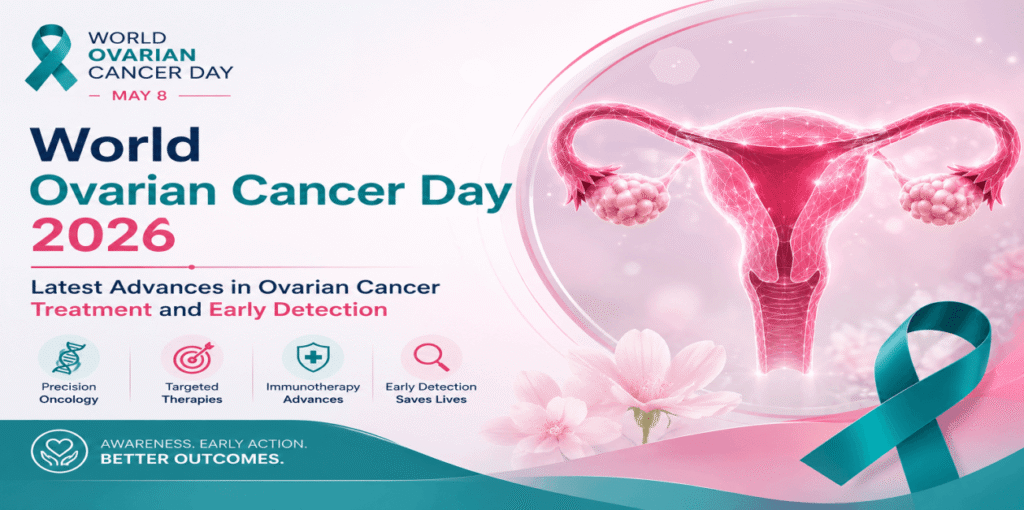
Every year on May 8th, World Ovarian Cancer Day raises awareness about one of the most challenging cancers affecting women worldwide. Ovarian cancer is often called the “silent killer” because symptoms are vague and frequently ignored until advanced stages. With recent breakthroughs in precision oncology, targeted therapy, immunotherapy, and molecular testing, ovarian cancer treatment outcomes are improving significantly across the globe. Women searching for the best oncologist in Hyderabad for ovarian cancer treatment can consult Dr. Saadvik Raghuram for advanced, evidence-based, and personalized cancer care in Hyderabad. What is Ovarian Cancer? Ovarian cancer begins in the ovaries or fallopian tubes and can spread silently within the abdomen before symptoms become obvious. Since there is currently no reliable routine screening test for ovarian cancer, many women are diagnosed at advanced stages. According to global cancer awareness campaigns, common symptoms of ovarian cancer include: These symptoms may initially appear mild but should never be ignored if they persist for more than a few weeks. Why Ovarian Cancer is Called the “Silent Killer” Unlike cervical cancer, ovarian cancer does not have an established routine screening method. Many women mistake early symptoms for acidity, digestive problems, hormonal changes, or regular bloating. Studies show that nearly 75% of ovarian cancers are diagnosed after the disease has spread beyond the ovaries, making treatment more complex. This is why awareness, timely consultation, early imaging, and blood investigations are crucial for better outcomes. Latest Research and Breakthroughs in Ovarian Cancer Treatment (2025–2026) The treatment landscape for ovarian cancer has evolved dramatically in recent years. Modern oncology now focuses on precision medicine, where treatment is tailored based on the genetic and molecular profile of the tumor. 1. PARP Inhibitors Revolutionizing Treatment One of the biggest breakthroughs in ovarian cancer treatment is the use of PARP inhibitors. These targeted therapies are especially effective in patients with: Medications such as: have significantly improved progression-free survival and reduced recurrence rates in selected patients. Recent studies continue to show major benefits when these medications are used as maintenance therapy after chemotherapy. 2. Combination Therapies Showing Better Outcomes New evidence suggests that combining PARP inhibitors with anti-angiogenic therapies such as bevacizumab may provide better outcomes compared to PARP therapy alone. Researchers are also exploring combinations involving: These newer treatment approaches are creating hope for recurrent and treatment-resistant ovarian cancers 3. Precision Oncology and Molecular Testing Modern ovarian cancer treatment increasingly depends on molecular profiling and genetic testing. Testing helps oncologists identify: This allows treatment to become highly personalized rather than following a one-size-fits-all approach. Emerging research in artificial intelligence and genomic pathology may soon help predict tumor mutations directly from biopsy images, making diagnosis faster and more accurate. 4. Immunotherapy in Ovarian Cancer Immunotherapy remains one of the most exciting areas of ongoing ovarian cancer research. Scientists are studying how immune checkpoint inhibitors can be combined with targeted therapies to improve long-term survival in advanced ovarian cancer. While immunotherapy is not yet universally effective for all ovarian cancers, ongoing clinical trials continue to show promising results. Importance of Genetic Counseling in Ovarian Cancer Women diagnosed with ovarian cancer should strongly consider genetic counseling and BRCA testing. This helps: A strong family history of breast or ovarian cancer should never be ignored. Can Ovarian Cancer Be Prevented? While not all ovarian cancers can be prevented, certain risk-reduction strategies may help: Most importantly, women should never ignore persistent abdominal symptoms. The Future of Ovarian Cancer Treatment The future of ovarian cancer care lies in: Globally, oncology experts are moving toward more individualized treatment plans with fewer side effects and improved quality of life for patients. Message from Dr. Saadvik Raghuram Dr. Saadvik Raghuram believes that awareness and early action remain the strongest weapons against ovarian cancer. Women should carefully listen to their bodies and seek expert medical evaluation if symptoms persist beyond a few weeks. Early diagnosis can dramatically improve treatment success and survival outcomes.Why Choose Dr. Saadvik Raghuram for Ovarian Cancer Treatment in Hyderabad? Patients searching for the best oncologist in Hyderabad for ovarian cancer treatment trust Dr. Saadvik Raghuram for evidence-based and compassionate cancer care. His expertise includes: Patients across Hyderabad, Telangana, and Andhra Pradesh value his empathetic approach, transparent communication, and commitment to offering the latest advances in oncology treatment. Frequently Asked Questions (FAQs) What are the early symptoms of ovarian cancer? Persistent bloating, pelvic pain, abdominal swelling, loss of appetite, feeling full quickly, and frequent urination may be early warning signs of ovarian cancer. Who is the best oncologist in Hyderabad for ovarian cancer treatment? Dr. Saadvik Raghuram is known for advanced ovarian cancer treatment, precision oncology, targeted therapy, and personalized cancer care in Hyderabad. Can ovarian cancer be detected early? Early detection can be difficult because symptoms are often subtle. However, timely consultation, imaging tests, and blood investigations can help identify ovarian cancer earlier. What is the latest treatment for ovarian cancer? Modern ovarian cancer treatment includes targeted therapy, PARP inhibitors, immunotherapy, chemotherapy, and molecular-guided precision oncology. Is genetic testing important in ovarian cancer? Yes. Genetic testing helps identify BRCA mutations and other biomarkers, guiding treatment decisions and assessing cancer risk for family members. Conclusion This World Ovarian Cancer Day, awareness and early action can save lives. Persistent bloating, abdominal discomfort, pelvic pain, or unexplained digestive symptoms should never be ignored. Early consultation with an experienced cancer specialist can significantly improve treatment outcomes. Women looking for the best oncologist in Hyderabad for ovarian cancer treatment can consult Dr. Saadvik Raghuram for advanced precision oncology, targeted therapy, and compassionate cancer care.
Understanding the Rise in Early-Onset Gastrointestinal Cancers
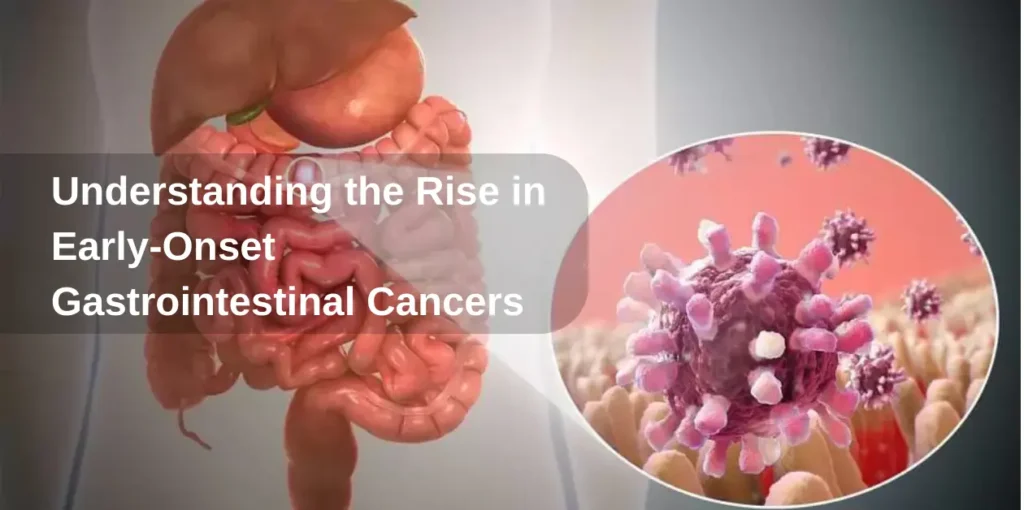
Why More Young Adults Are Developing Colorectal, Pancreatic & Other GI Cancers Gastrointestinal Cancers (GI) — once considered diseases of older adults — are increasingly being diagnosed in individuals under the age of 50. The sharp rise in early-onset colorectal cancer, pancreatic cancer in young adults, and other GI malignancies has become a major global health concern. As a leading oncologist in Hyderabad, I have observed this shift firsthand. Early recognition and expert evaluation are now more important than ever. The Epidemiological Shift: A Concerning Trend Recent data reveal a significant rise in early-onset GI cancers: While colorectal cancer receives the most attention, pancreatic cancer carries a particularly poor prognosis if diagnosed late — making early detection critical. Who Is Most Affected? Studies show disproportionate increases among: This pattern suggests both biological and social determinants are contributing to the rise in early-onset gastrointestinal cancers. What’s Driving the Increase? 1. Lifestyle & Modifiable Risk Factors Obesity and Metabolic Syndrome Rising obesity rates among young adults contribute to chronic inflammation, insulin resistance, and cellular changes linked to cancer development. Western Dietary Patterns These factors are increasingly associated with colorectal cancer in young adults. Sedentary Lifestyle Physical inactivity increases metabolic risk and systemic inflammation. Smoking & Alcohol Both significantly increase risk for: Importantly, rising cases are also seen in individuals without obvious risk factors — indicating additional biological mechanisms are involved. 2. Genetic and Hereditary Factors Genetic counseling and risk-based screening are crucial for high-risk individuals. 3. The Microbiome & Emerging Biological Mechanisms Emerging research highlights the role of the gut microbiome. Certain strains of E. coli that produce toxins like colibactin may cause early DNA damage in bowel cells, potentially triggering cancer development earlier in life. Microbe-host interactions may explain why traditional risk factors alone do not fully account for the rising incidence. Why Is Pancreatic Cancer Rising in Young Adults? Pancreatic cancer in young adults is particularly concerning due to: Known risk factors include: However, these do not explain all cases — indicating a complex interaction of genetics, lifestyle, and environmental exposures. Early consultation with a cancer specialist in Hyderabad can help assess risk and evaluate suspicious symptoms. Public Health Implications Early Detection Is Critical Younger patients are often diagnosed late because symptoms are overlooked. Do not ignore: Prompt evaluation by an experienced oncologist in Hyderabad can significantly improve outcomes. Screening Recommendations Current guidelines recommend: Non-invasive multicancer detection tools are under investigation but not yet standard. What Research Still Needs to Be Done? Scientists continue investigating: Understanding these pathways is essential for prevention strategies. Key Takeaways ✔ Early-onset gastrointestinal cancers are rising rapidly in individuals under 50✔ Colorectal and pancreatic cancers are leading this trend✔ Lifestyle, genetics, microbiome, and environmental factors interact✔ Early symptom recognition improves survival✔ Timely expert consultation is essential Consult Dr. Saadvik Raghuram Y – Leading Oncologist in Hyderabad If you or a loved one has symptoms, a strong family history, or concerns about colorectal cancer in young adults or pancreatic cancer, early expert evaluation matters. Dr. Saadvik Raghuram Y, Senior Consultant & HOD – Medical Oncology Arete Hospitals Specializing in: 📍 Consultations available at Arete Hospitals & Precision Cancer Care📞 9110294297🌐 Early detection saves lives — don’t delay medical evaluation Taking action early could be one of the most important health decisions you make.
World Cancer Day 2026: Research-Backed Facts, Prevention Strategies & Early Detection
By Dr. Saadvik Raghuram Y – Leading Oncologist in Hyderabad World Cancer Day, observed every year on February 4, is a global call to action to improve cancer awareness, prevention, early detection, and timely treatment. As an experienced oncologist in Hyderabad, I have witnessed how early diagnosis and evidence-based cancer treatment significantly improve survival and quality of life. This article presents research-backed facts in a clear and practical format to help individuals and families make informed decisions. The Global Cancer Burden: Why Awareness Matters According to global cancer surveillance data, nearly 20 million new cancer cases are diagnosed worldwide each year, with close to 10 million deaths annually. Approximately 1 in 5 people will develop cancer during their lifetime. The most commonly diagnosed cancers globally include: Lung cancer remains the leading cause of cancer-related deaths, largely due to tobacco exposure and late-stage diagnosis. On World Cancer Day, the global initiative led by the Union for International Cancer Control highlights the urgent need for prevention and early detection. Cancer in India: A Growing Health Challenge India is witnessing a steady rise in cancer incidence due to: Among women in India: Among men: A major concern is late-stage diagnosis, which reduces survival rates and increases treatment complexity. Consulting a qualified cancer doctor in Hyderabad at the earliest sign of symptoms can dramatically improve outcomes. Many Cancers Are Preventable (30–50% Reduction Possible) Scientific evidence shows that 30% to 50% of cancers are preventable. 1. Tobacco Control – The Most Powerful Prevention Strategy Tobacco use is linked to cancers of: Quitting tobacco at any age reduces cancer risk and improves overall health. 2. Vaccination Saves Lives 3. Healthy Lifestyle Choices As an oncologist in Hyderabad, I strongly encourage preventive health strategies alongside treatment advancements. The Power of Early Detection Early detection significantly improves survival rates. Recommended Screening Tests: Warning signs you should never ignore: If these symptoms persist, consult a cancer specialist in Hyderabad without delay. Why Timely Treatment Matters Cancer outcomes depend on: ✔ Early diagnosis✔ Stage-appropriate treatment✔ Multidisciplinary team approach✔ Access to modern therapies Treatment options may include: Guideline-based cancer care delivered by an experienced oncologist in Hyderabad improves survival rates and quality of life. Delays in diagnosis remain a significant issue. On this World Cancer Day, the message is clear — do not postpone medical consultation. Key Takeaways for Individuals and Families Regular health check-ups and timely consultation with a qualified cancer doctor in Hyderabad can make a life-saving difference. A Message from Dr. Saadvik Raghuram Y Leading Oncologist in Hyderabad Cancer care today is stronger than ever before. Science has given us powerful tools for prevention, early detection, and advanced treatment. On this World Cancer Day, I encourage individuals and families to prioritize health awareness, screening, and timely medical advice. Awareness leads to action — and action saves lives.
Ultra-Processed Foods and Cancer Risk: Why Young Adults Should Care By Dr Saadvik Raghuram, Medical Oncologist
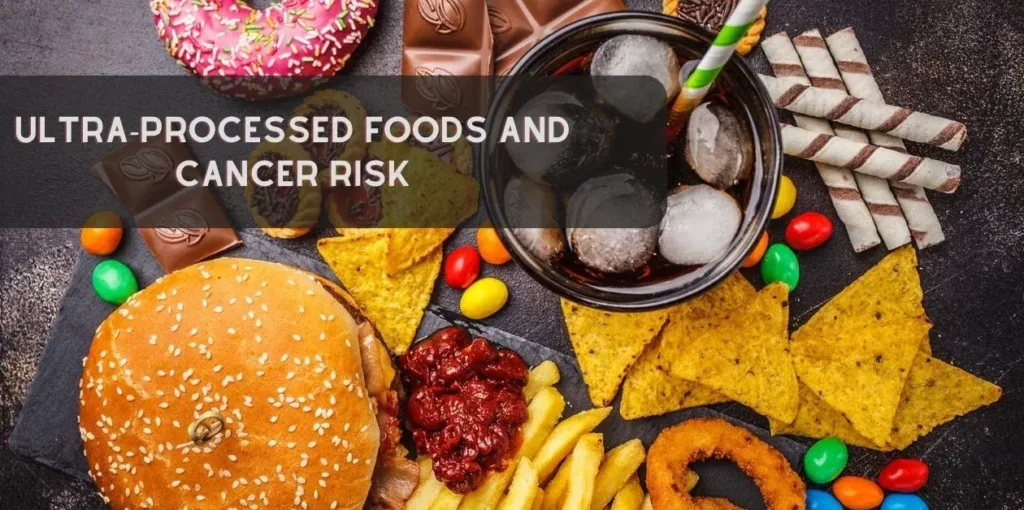
Why Are So Many Young People Getting Cancer Today? Across the world, oncologists are witnessing an alarming trend — cancer rates are increasing among young adults, particularly early-onset colorectal (colon) cancer. Many patients are surprised when diagnosed: One major explanation is becoming increasingly clear: what we eat every day. Growing scientific evidence now confirms a strong link between ultra-processed foods and cancer risk, even in individuals without traditional risk factors. What Are Ultra-Processed Foods? Ultra-processed foods (UPFs), as defined by the NOVA food classification system, are foods that have been heavily industrially manufactured and are far removed from their natural form. They commonly contain: Common Ultra-Processed Foods Consumed Daily 👉 Simple rule: If a food comes in a packet with a long ingredient list, it is likely ultra-processed. Ultra-Processed Foods and Cancer Risk: What Does Research Show? A large, high-quality study published in JAMA Oncology followed over 29,000 women for 24 years. Key Clinical Finding Women under the age of 50 who consumed the highest amounts of ultra-processed foods had a 45% higher risk of developing bowel polyps, which are known precursors to colorectal cancer. This data was further analysed by The Lancet Oncology, strengthening the evidence that processed foods significantly increase cancer risk, particularly cancers of the digestive system. Why Are These Findings Concerning? Bowel polyps often: This explains why colon cancer in young adults is being diagnosed more frequently, even in people in their 30s and 40s. 👉 Colorectal cancer is no longer a disease of old age alone. How Do Ultra-Processed Foods Increase Cancer Risk? Research highlights several biological mechanisms linking ultra-processed foods and cancer: 1. Chronic Inflammation Ultra-processed foods promote persistent, low-grade inflammation, a well-established driver of cancer development. 2. Gut Microbiome Imbalance These foods disrupt healthy gut bacteria and encourage harmful strains that: This connects gut microbiome damage directly to cancer risk. 3. Intestinal Barrier Breakdown According to experts like Dr Andrew T Chan, ultra-processed foods may weaken the gut barrier, allowing inflammation and abnormal cell growth to flourish. Why Younger People Are More Affected Unlike traditional cancers that develop after decades of exposure: In simple terms, the damage begins much earlier than we realise. Should You Panic? Absolutely Not. This research is meant to inform and empower, not frighten. The most important message is this:👉 Cancer risk is modifiable. What Can You Do to Reduce Cancer Risk Starting Today? 1. Eat More Whole, Real Foods Choose: 2. Read Food Labels Carefully If you cannot recognise most of the ingredients, avoid the product. 3. Reduce Ultra-Processed Foods Gradually You do not need to eliminate them completely. Even reducing daily intake significantly lowers cancer risk. 4. Stay Physically Active Regular exercise reduces inflammation and improves gut health — both crucial for cancer prevention through diet and lifestyle. A Message From Dr Saadvik Raghuram “Cancer prevention does not begin in hospitals — it begins in our kitchens.Small, consistent dietary changes today can significantly reduce cancer risk tomorrow.” When Should You Consult a Doctor? Seek medical advice if you experience: 👉 Early diagnosis saves lives.Book Your Appointment Today Frequently Asked Questions (FAQs) Do ultra-processed foods increase cancer risk? Yes. Scientific studies consistently show that ultra-processed foods increase cancer risk, especially colorectal cancer, due to inflammation, gut microbiome disruption, and intestinal damage. Can ultra-processed foods cause colorectal cancer? Long-term, frequent consumption of ultra-processed foods significantly raises the risk of colorectal cancer, particularly when exposure begins in childhood or early adulthood. Why is colon cancer increasing in young adults? The rise in colon cancer in young adults is linked to early exposure to ultra-processed foods, sedentary lifestyle, poor gut health, and chronic inflammation. Are all processed foods bad for cancer risk? No. Minimally processed foods like curd, paneer, frozen vegetables, and whole grains are generally safe. The concern is specifically with ultra-processed foods. How much ultra-processed food is safe? There is no defined safe limit. However, studies show that reducing ultra-processed food intake lowers cancer risk and improves gut health. Can diet help prevent cancer? Yes. A balanced diet rich in whole foods, fiber, and natural nutrients plays a major role in diet-based cancer prevention. Final Takeaway Cancer is not always preventable — but many risks are.
Cervical Cancer Awareness Month in India: How to Prevent an Avoidable Cancer
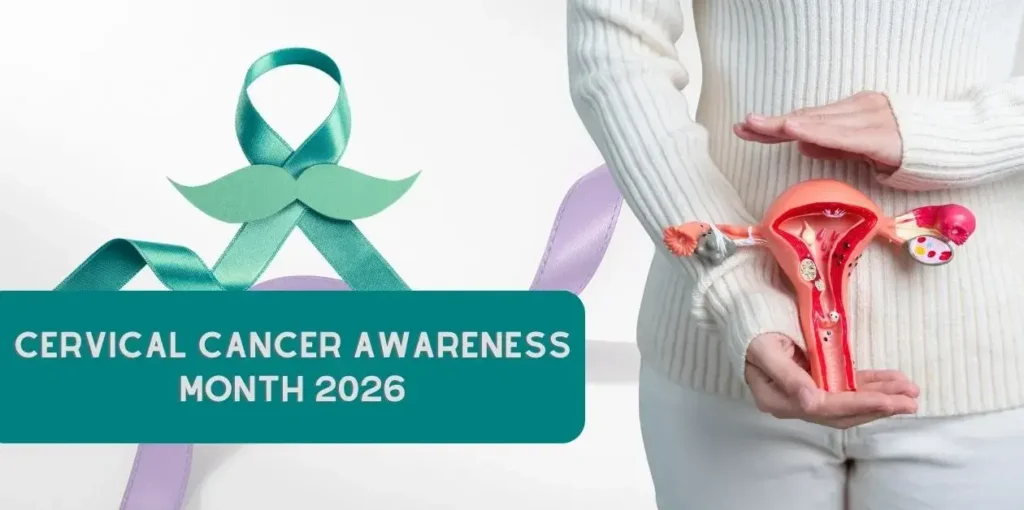
January is Cervical Cancer Awareness Month in India, and this article explains how Indian families can prevent this almost completely avoidable cancer with vaccination and screening. What Is Cervical Cancer? Cervical cancer starts in the cervix, the lower part of the uterus that opens into the vagina.The main cause is long-term infection with high-risk HPV (Human Papillomavirus), a very common virus that most people get at some point in life. Cervical Cancer in India: Latest Numbers You Must Know Why Cervical Cancer Is Still Common in India Many women reach doctors only when the cancer is already in an advanced stage. Cervical Cancer Symptoms and Early Warning Signs Many women with early cervical cancer have no symptoms, which is why regular cervical cancer screening is critical. Warning signs that need urgent check-up: Even one of these symptoms should lead to a prompt gynecologist visit; do not self-medicate or wait for it to “settle”. How to Prevent Cervical Cancer: HPV Vaccine and Screening HPV Vaccine in India: Who Should Take It? India is working on including HPV vaccination in the national immunization program to protect school-going girls at scale. Cervical Cancer Screening Tests: Pap Smear, HPV Test, VIA Even if you are vaccinated, you still need cervical cancer screening later in life because vaccines do not cover every HPV type.Common Myths That Cost Lives ❌ “I have no symptoms, so I’m fine”✔️ Most early cervical cancers have no symptoms ❌ “This won’t happen in educated families”✔️ HPV does not see education, income, or lifestyle ❌ “Cancer means death”✔️ Early-detected cervical cancer is highly curable WHO Goal: Eliminate Cervical Cancer in Our Lifetime What Every Indian Family Can Do This January A Message From My Clinic As an oncologist, nothing hurts more than seeing a cancer that didn’t have to reach this stage. Cervical cancer gives us: We must use them. Get Directions here What You Can Do Today ✔️ Talk to your doctor about HPV vaccination✔️ Encourage women in your family to get screened✔️ Do not ignore abnormal bleeding✔️ Share awareness — one conversation can save a life About the Author Dr. Saadvik Raghuram Y is a Medical Oncologist based in Hyderabad, dedicated to evidence-based cancer care, early detection, and public health awareness. FAQ – Cervical Cancer Awareness Month in India: How to Prevent a Avoidable Cancer Q1. Why is January observed as Cervical Cancer Awareness Month in India?January is marked as Cervical Cancer Awareness Month to educate the public about cervical cancer symptoms, HPV vaccination, and the importance of regular screening to prevent deaths. Q2. At what age should girls receive the HPV vaccine in India?The HPV vaccine is generally recommended for adolescent girls before sexual debut, with exact age schedules decided by national and state guidelines and the treating doctor. Q3. How often should women go for cervical cancer screening?Screening frequency depends on the test used and national guidelines, but women between 30–65 years are usually advised periodic Pap smears or HPV tests after consulting their gynecologist.
Cancer-Related Fatigue Awareness Month: Understanding the Most Overlooked Symptom in Cancer Care
Cancer-Related Fatigue (CRF) is one of the most common—and most underestimated—symptoms experienced by cancer patients. Unlike normal tiredness, this type of fatigue does not improve with rest, affects daily functioning, emotional wellbeing, and drastically reduces quality of life. Every year, Cancer-Related Fatigue Awareness Month serves as an important reminder to educate patients, caregivers, and the community about the realities, management, and support strategies for CRF. In this detailed guide, we dive into the causes, symptoms, diagnosis, treatment approaches, and essential lifestyle tips that help patients regain strength and energy during and after cancer treatment. What Is Cancer-Related Fatigue? Cancer-related fatigue is a persistent feeling of physical, emotional, or mental tiredness that is disproportionate to recent activities and not relieved by sleep. Patients often describe it as: Unlike regular fatigue, CRF can last weeks, months, or even years after cancer treatment. Studies show that: Recognizing and managing this fatigue early can greatly improve a patient’s quality of life. Why Is Cancer-Related Fatigue Awareness Month Important? Many people—including patients—assume that fatigue is a “normal part” of cancer and cannot be treated. However, this is not true. Awareness Month focuses on: 1. Educating about symptoms Many patients hesitate to talk about fatigue. They think it’s “not important enough” compared to cancer itself. Awareness Month encourages open conversations. 2. Breaking the stigma Fatigue is invisible. Patients often feel guilty for resting or worry people may think they are lazy. Awareness helps create empathy and understanding. 3. Highlighting treatments and support CRF can be managed. From diet to physical therapy to medication adjustments, several treatment strategies exist. 4. Encouraging early reporting Many people wait until fatigue becomes severe. Awareness Month reminds patients to inform their oncologist early. Causes of Cancer-Related Fatigue Cancer-related fatigue does not have a single cause. It is multifactorial and influenced by: 1. The cancer itself 2. Cancer treatments Treatments such as: Chemotherapy drugs reduce healthy blood cells, especially red blood cells, leading to anemia, one of the major causes of CRF. 3. Medications Painkillers, sleep aids, anti-nausea drugs, and steroids can cause fatigue as a side effect. 4. Emotional and psychological factors 5. Sleep disturbances Pain, breathing difficulty, hot flashes, and hospital routines can interrupt sleep cycles. 6. Nutritional imbalances Poor appetite, weight loss, vitamin deficiencies, dehydration, and muscle loss contribute to fatigue. Symptoms of Cancer-Related Fatigue Patients experience CRF differently, but common symptoms include: Recognizing these symptoms early helps oncologists plan timely interventions. Diagnosis of Cancer-Related Fatigue CRF is diagnosed mainly through patient history and symptom assessment. Doctors may evaluate: Standard tools like the Brief Fatigue Inventory (BFI) or Fatigue Symptom Inventory (FSI) help measure fatigue severity. Treatment & Management Strategies Cancer-related fatigue can be managed effectively through a combination of medical and lifestyle approaches. 1. Treating the underlying cause Your oncologist may recommend: ✔ Treating anemia ✔ Managing pain Better pain control improves sleep and reduces fatigue. ✔ Adjusting medication dosages Some medications can be reduced, changed, or scheduled differently. 2. Nutrition and hydration Eating small, frequent, protein-rich meals helps maintain energy. Fatigue-fighting foods include: A dietitian may recommend supplements, especially in cases of vitamin D or B12 deficiency. 3. Gentle physical activity It may sound surprising, but light exercise reduces fatigue more effectively than rest. Recommended activities: Aim for 15–30 minutes daily, based on your oncologist’s advice. 4. Sleep hygiene practices Good sleep is crucial. Helpful tips: 5. Stress management CRF often worsens with emotional stress. Proven techniques include: 6. Energy conservation techniques Work smarter—not harder. Patients can follow: How Caregivers Can Help Caregivers play a pivotal role in supporting patients with cancer-related fatigue. 1. Create a comfortable environment Ensure the home is clean, peaceful, and clutter-free. 2. Help with daily tasks Assist with cooking, cleaning, medication reminders, and hospital visits. 3. Encourage open communication Ask how they feel daily and track energy patterns. 4. Motivate without pressure Encourage gentle activities while avoiding pushing too hard. 5. Support emotional health Listen, talk, and help them stay socially connected. Living With Cancer-Related Fatigue: Patient Tips Over time, patients learn to recognize patterns and adjust activities accordingly. When to See Your Oncologist Seek medical help if: Timely intervention makes recovery easier.

