
Understanding Testicular Cancer: Diagnosis, Treatment, and Prognosis

Testicular cancer is a condition that develops in the testicles, a male organ that produces sex hormones and sperm for reproduction. Although it is relatively rare, it’s important to understand the diagnosis, treatment, and prognosis of this disease. Diagnosis of Testicular Cancer The diagnosis of testicular cancer typically begins with a physical examination of the testes to check for the presence of lumps. If there is any suspicion, other tests are recommended. Physical Examination: A physical examination of the testes is done to check for the presence of lumps. The doctor will also examine your belly (abdomen), lymph nodes, and other parts of your body carefully to look for signs of cancer spread. Ultrasound: An ultrasound uses sound waves to produce images of the inside of your body. It can be used to see if a change is a certain benign condition (like a hydrocele or varicocele) or a solid tumor that could be a cancer. CT Scan: A CT scan is done to determine the extent of metastasis. CT scans take a series of X-ray pictures of your belly, chest, and pelvis. A health care provider checks the pictures for signs that cancer has spread. Tumor Marker Test: A blood test can detect proteins made by testicular cancer cells. This type of test is called a tumor marker test. Tumor markers for testicular cancer include beta-human chorionic gonadotropin, alpha-fetoprotein, and lactate dehydrogenase Treatment of Testicular Cancer Treatment options for testicular cancer include radiotherapy, chemotherapy, and surgery. Radiotherapy: Radiation therapy is a treatment method that uses X-rays and other high energy rays to kill abnormal cells Chemotherapy: Chemotherapy is a therapy where drugs are used to kill cells that are growing or multiplying too quickly. Medications for testicular cancer include Carboplatin, Cisplatin, Vinblastine, Paclitaxel, and Bleomycin. Surgery: Surgical procedures for testicular cancer include Inguinal orchiectomy, which involves the surgical removal of the testes, and Retroperitoneal lymph node dissection, which involves the surgical removal of lymph nodes situated at the back of the abdomen. Prognosis of Testicular Cancer The prognosis for testicular cancer is generally favorable. The 5-year survival rate is > 95% for patients with a seminoma or nonseminoma localized to the testis or with a nonseminoma and low-volume metastases in the retroperitoneum. The survival rate for testicular cancer depends on factors such as age, stage, and overall health. In conclusion, while testicular cancer is a serious condition, advancements in diagnostic techniques and treatment options have led to high survival rates. Regular self-examinations and prompt medical attention at the first sign of symptoms can lead to early detection and successful treatment. Citations: https://www.cancer.org/cancer/types/testicular-cancer/detection-diagnosis-staging/how-diagnosed.html/https://www.mayoclinic.org/diseases-conditions/testicular-cancer-care/diagnosis-treatment/drc-20352991https://www.msn.com/en-us/health/other/testicular-cancer/ar-BB1hubzShttps://www.healthgrades.com/right-care/cancer/testicular-cancer-survival-rates-and-prognosis
Understanding Testicular Cancer: Incidence, Epidemiology and testicular cancer symptoms
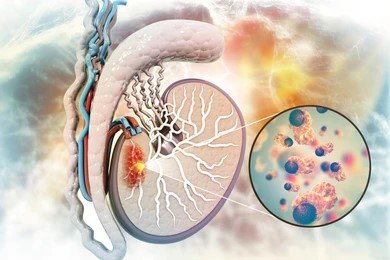
Testicular cancer, though not a common type of cancer, is a significant health concern that primarily affects young and middle-aged men. This blog post aims to shed light on the incidence, epidemiology, and symptoms of testicular cancer. Incidence Testicular cancer is relatively rare, accounting for about 1% of all male cancers. However, it is the most common cancer in young men aged 15-40 years. Globally, there are approximately 75,000 cases of testicular cancer and over 9,000 deaths per year. The incidence rate of testicular cancer has been increasing in the US and many other countries for several decades, mostly in seminomas. However, the rate of increase has slowed recently. It’s important to note that testicular cancer is highly treatable, and the cure rate is excellent. Epidemiology Testicular cancer can affect males of any age, but it is most frequently diagnosed in young men ages 15 to 30. It is far less common among males over age 50. The average age of males when first diagnosed with testicular cancer is about 33. The worldwide incidence of testicular cancer is lowest in Africa and Asia and highest in the Scandinavian countries, Germany, Switzerland, and New Zealand. The cause of the increasing global incidence of testicular cancer is unclear. Risk factors for testicular cancer include having an undescended testicle, a family history of testicular cancer, previous testicular cancer, and certain congenital abnormalities of the testes Symptoms The symptoms of testicular cancer can vary from man to man. The most common symptom is a small, hard lump in the testes that is often painless. Other symptoms may include: It’s crucial to seek medical attention if you notice any of these symptoms. Early detection and treatment significantly improve the prognosis for testicular cancer. In conclusion, while testicular cancer is not a common disease, it is essential to be aware of its incidence, risk factors, and symptoms. Regular self-examinations and prompt medical attention for any abnormalities can help ensure early detection and successful treatment. Remember, it’s always better to be safe than sorry. If you notice any changes or symptoms, don’t hesitate to consult with a healthcare professional. Your health is worth it! Citations: https://exonpublications.com/index.php/exon/article/view/epidemiology-of-testicular-cancer
Understanding Multiple Myeloma: Symptoms, Diagnosis, and Treatment options
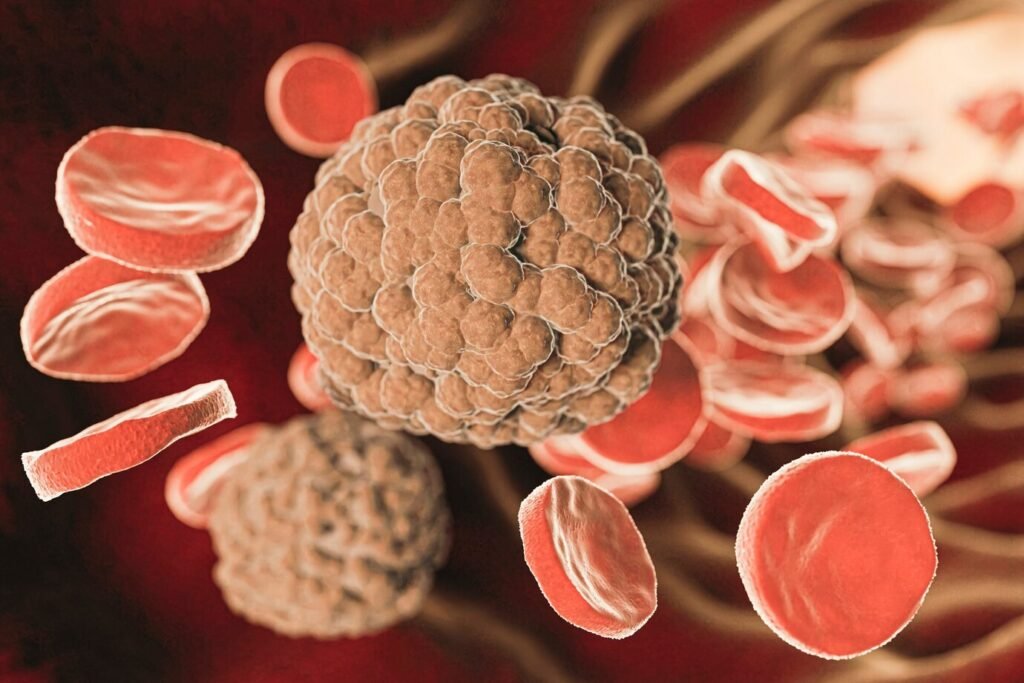
Multiple myeloma, a type of blood cancer, affects plasma cells in the bone marrow. These cells are crucial for our immune system and produce antibodies to fight infections. When they become cancerous, they multiply uncontrollably, leading to various symptoms and complications. Common Symptoms of Multiple Myeloma Diagnosis and Treatment Treatment Options: Conclusion Early detection is crucial for managing multiple myeloma. If you experience any of the symptoms mentioned above, consult a healthcare professional promptly. Remember, knowledge and awareness empower us to fight against this challenging disease. Stay informed, stay vigilant Recommend: Understanding Melanoma: Insights from an Oncologist
Multiple Myeloma: Unraveling the Complexities of a Stealthy Blood Cancer
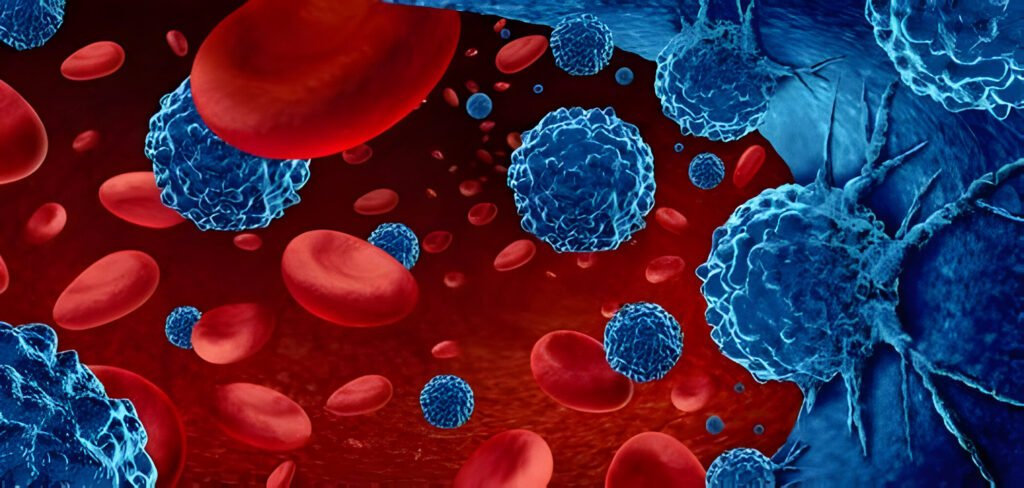
Multiple myeloma, a lesser-known but formidable adversary, emerges from the depths of our bone marrow. It stealthily infiltrates the intricate web of plasma cells, disrupting the delicate balance within. In this comprehensive blog, we delve into the evolution, treatment, and ongoing quest to catch this elusive foe early. The Evolution of Multiple Myeloma Risk Factors and Demographics Treatment Advances and Prognosis The Quest for Early Detection Conclusion As we unravel the mysteries of multiple myeloma, we stand at the precipice of breakthroughs. Vigilance, research collaboration, and hope propel us forward. Let us continue our relentless pursuit to outwit this silent adversary and offer solace to those affected.


