
Why Are So Many Young People Getting Cancer Today?
Across the world, oncologists are witnessing an alarming trend — cancer rates are increasing among young adults, particularly early-onset colorectal (colon) cancer.
Many patients are surprised when diagnosed:
- “I don’t smoke.”
- “I’m not overweight.”
- “Why would I get cancer so early?”
One major explanation is becoming increasingly clear: what we eat every day.
Growing scientific evidence now confirms a strong link between ultra-processed foods and cancer risk, even in individuals without traditional risk factors.
What Are Ultra-Processed Foods?
Ultra-processed foods (UPFs), as defined by the NOVA food classification system, are foods that have been heavily industrially manufactured and are far removed from their natural form.
They commonly contain:
- Artificial flavours and colours
- Chemical preservatives
- Emulsifiers and stabilisers
- Refined sugars and syrups
- Hydrogenated or modified oils
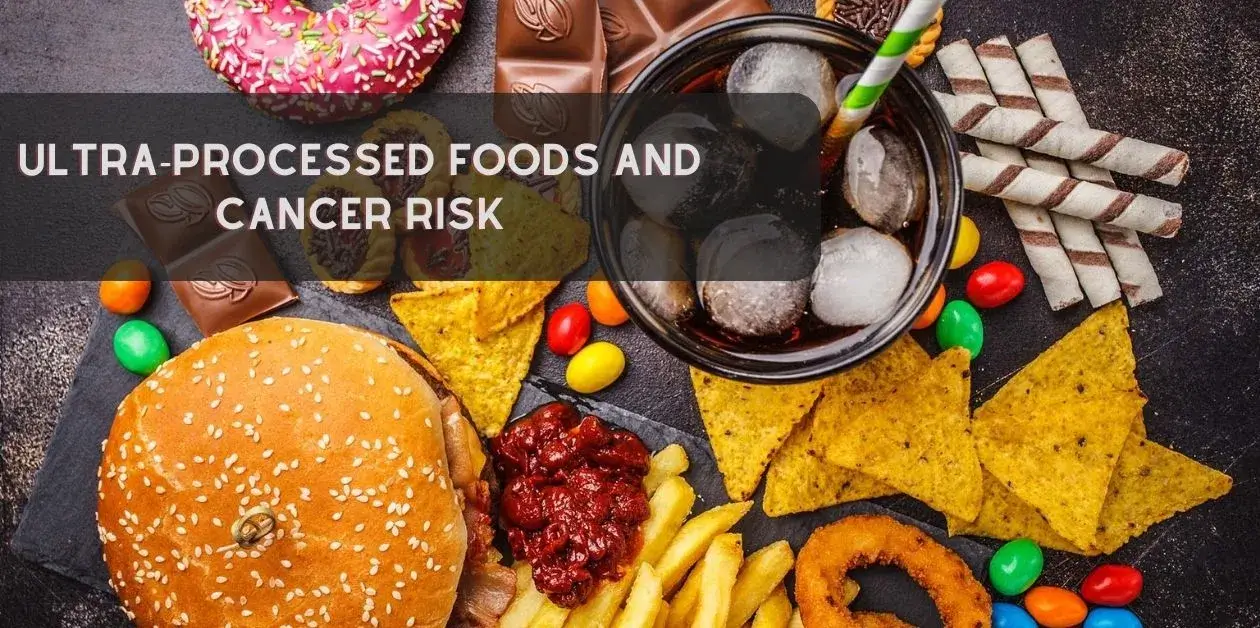
Common Ultra-Processed Foods Consumed Daily
- Packaged breads, buns, pav
- Breakfast cereals marketed as “healthy”
- Soft drinks and diet sodas
- Instant noodles and ready-to-eat meals
- Chips, biscuits, cookies
- Packaged sauces, spreads, and condiments
👉 Simple rule: If a food comes in a packet with a long ingredient list, it is likely ultra-processed.
Ultra-Processed Foods and Cancer Risk: What Does Research Show?
A large, high-quality study published in JAMA Oncology followed over 29,000 women for 24 years.
Key Clinical Finding
Women under the age of 50 who consumed the highest amounts of ultra-processed foods had a 45% higher risk of developing bowel polyps, which are known precursors to colorectal cancer.
This data was further analysed by The Lancet Oncology, strengthening the evidence that processed foods significantly increase cancer risk, particularly cancers of the digestive system.
Why Are These Findings Concerning?
Bowel polyps often:
- Cause no early symptoms
- Grow silently over several years
- Gradually progress into cancer
This explains why colon cancer in young adults is being diagnosed more frequently, even in people in their 30s and 40s.
👉 Colorectal cancer is no longer a disease of old age alone.
How Do Ultra-Processed Foods Increase Cancer Risk?
Research highlights several biological mechanisms linking ultra-processed foods and cancer:
1. Chronic Inflammation
Ultra-processed foods promote persistent, low-grade inflammation, a well-established driver of cancer development.
2. Gut Microbiome Imbalance
These foods disrupt healthy gut bacteria and encourage harmful strains that:
- Damage the intestinal lining
- Produce cancer-promoting toxins
This connects gut microbiome damage directly to cancer risk.
3. Intestinal Barrier Breakdown
According to experts like Dr Andrew T Chan, ultra-processed foods may weaken the gut barrier, allowing inflammation and abnormal cell growth to flourish.
Why Younger People Are More Affected
Unlike traditional cancers that develop after decades of exposure:
- Children today are exposed to ultra-processed foods from early life
- Early dietary habits permanently alter gut health
- This accelerates the pathway toward early-onset colorectal cancer
In simple terms, the damage begins much earlier than we realise.
Should You Panic? Absolutely Not.
This research is meant to inform and empower, not frighten.
The most important message is this:
👉 Cancer risk is modifiable.
What Can You Do to Reduce Cancer Risk Starting Today?
1. Eat More Whole, Real Foods
Choose:
- Home-cooked meals
- Fresh fruits and vegetables
- Whole grains
- Pulses, eggs, fish, and lean meats
2. Read Food Labels Carefully
If you cannot recognise most of the ingredients, avoid the product.
3. Reduce Ultra-Processed Foods Gradually
You do not need to eliminate them completely. Even reducing daily intake significantly lowers cancer risk.
4. Stay Physically Active
Regular exercise reduces inflammation and improves gut health — both crucial for cancer prevention through diet and lifestyle.
A Message From Dr Saadvik Raghuram
“Cancer prevention does not begin in hospitals — it begins in our kitchens.
Small, consistent dietary changes today can significantly reduce cancer risk tomorrow.”
When Should You Consult a Doctor?
Seek medical advice if you experience:
- Persistent changes in bowel habits
- Blood in stools
- Unexplained weight loss
- Ongoing fatigue or abdominal discomfort
👉 Early diagnosis saves lives.
Book Your Appointment Today
Frequently Asked Questions (FAQs)
Do ultra-processed foods increase cancer risk?
Yes. Scientific studies consistently show that ultra-processed foods increase cancer risk, especially colorectal cancer, due to inflammation, gut microbiome disruption, and intestinal damage.
Can ultra-processed foods cause colorectal cancer?
Long-term, frequent consumption of ultra-processed foods significantly raises the risk of colorectal cancer, particularly when exposure begins in childhood or early adulthood.
Why is colon cancer increasing in young adults?
The rise in colon cancer in young adults is linked to early exposure to ultra-processed foods, sedentary lifestyle, poor gut health, and chronic inflammation.
Are all processed foods bad for cancer risk?
No. Minimally processed foods like curd, paneer, frozen vegetables, and whole grains are generally safe. The concern is specifically with ultra-processed foods.
How much ultra-processed food is safe?
There is no defined safe limit. However, studies show that reducing ultra-processed food intake lowers cancer risk and improves gut health.
Can diet help prevent cancer?
Yes. A balanced diet rich in whole foods, fiber, and natural nutrients plays a major role in diet-based cancer prevention.
Final Takeaway
- Ultra-processed foods are strongly linked to increased cancer risk
- Young adults are increasingly affected
- Awareness and small lifestyle changes can significantly reduce risk
Cancer is not always preventable — but many risks are.
Why More Young Adults Are Developing Colorectal, Pancreatic & Other GI Cancers …
By Dr. Saadvik Raghuram Y – Leading Oncologist in Hyderabad World Cancer …
Why Are So Many Young People Getting Cancer Today? Across the world, …
January is Cervical Cancer Awareness Month in India, and this article explains …
Cancer-Related Fatigue (CRF) is one of the most common—and most underestimated—symptoms experienced …
Every year, Aplastic Anemia Awareness Month shines a spotlight on a rare …

