
Understanding the Rise in Early-Onset Gastrointestinal Cancers
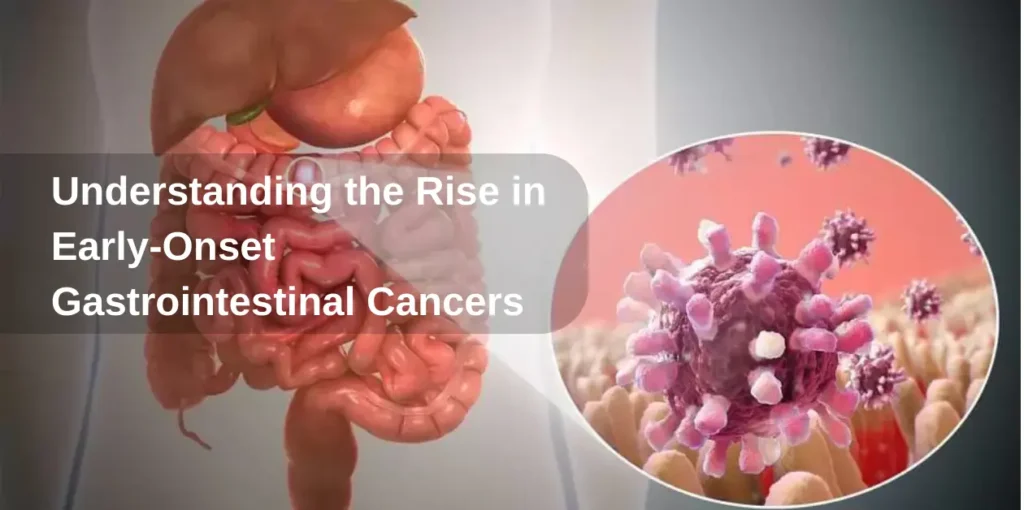
Why More Young Adults Are Developing Colorectal, Pancreatic & Other GI Cancers Gastrointestinal Cancers (GI) — once considered diseases of older adults — are increasingly being diagnosed in individuals under the age of 50. The sharp rise in early-onset colorectal cancer, pancreatic cancer in young adults, and other GI malignancies has become a major global health concern. As a leading oncologist in Hyderabad, I have observed this shift firsthand. Early recognition and expert evaluation are now more important than ever. The Epidemiological Shift: A Concerning Trend Recent data reveal a significant rise in early-onset GI cancers: While colorectal cancer receives the most attention, pancreatic cancer carries a particularly poor prognosis if diagnosed late — making early detection critical. Who Is Most Affected? Studies show disproportionate increases among: This pattern suggests both biological and social determinants are contributing to the rise in early-onset gastrointestinal cancers. What’s Driving the Increase? 1. Lifestyle & Modifiable Risk Factors Obesity and Metabolic Syndrome Rising obesity rates among young adults contribute to chronic inflammation, insulin resistance, and cellular changes linked to cancer development. Western Dietary Patterns These factors are increasingly associated with colorectal cancer in young adults. Sedentary Lifestyle Physical inactivity increases metabolic risk and systemic inflammation. Smoking & Alcohol Both significantly increase risk for: Importantly, rising cases are also seen in individuals without obvious risk factors — indicating additional biological mechanisms are involved. 2. Genetic and Hereditary Factors Genetic counseling and risk-based screening are crucial for high-risk individuals. 3. The Microbiome & Emerging Biological Mechanisms Emerging research highlights the role of the gut microbiome. Certain strains of E. coli that produce toxins like colibactin may cause early DNA damage in bowel cells, potentially triggering cancer development earlier in life. Microbe-host interactions may explain why traditional risk factors alone do not fully account for the rising incidence. Why Is Pancreatic Cancer Rising in Young Adults? Pancreatic cancer in young adults is particularly concerning due to: Known risk factors include: However, these do not explain all cases — indicating a complex interaction of genetics, lifestyle, and environmental exposures. Early consultation with a cancer specialist in Hyderabad can help assess risk and evaluate suspicious symptoms. Public Health Implications Early Detection Is Critical Younger patients are often diagnosed late because symptoms are overlooked. Do not ignore: Prompt evaluation by an experienced oncologist in Hyderabad can significantly improve outcomes. Screening Recommendations Current guidelines recommend: Non-invasive multicancer detection tools are under investigation but not yet standard. What Research Still Needs to Be Done? Scientists continue investigating: Understanding these pathways is essential for prevention strategies. Key Takeaways ✔ Early-onset gastrointestinal cancers are rising rapidly in individuals under 50✔ Colorectal and pancreatic cancers are leading this trend✔ Lifestyle, genetics, microbiome, and environmental factors interact✔ Early symptom recognition improves survival✔ Timely expert consultation is essential Consult Dr. Saadvik Raghuram Y – Leading Oncologist in Hyderabad If you or a loved one has symptoms, a strong family history, or concerns about colorectal cancer in young adults or pancreatic cancer, early expert evaluation matters. Dr. Saadvik Raghuram Y, Senior Consultant & HOD – Medical Oncology Arete Hospitals Specializing in: 📍 Consultations available at Arete Hospitals & Precision Cancer Care📞 9110294297🌐 Early detection saves lives — don’t delay medical evaluation Taking action early could be one of the most important health decisions you make.
World Cancer Day 2026: Research-Backed Facts, Prevention Strategies & Early Detection
By Dr. Saadvik Raghuram Y – Leading Oncologist in Hyderabad World Cancer Day, observed every year on February 4, is a global call to action to improve cancer awareness, prevention, early detection, and timely treatment. As an experienced oncologist in Hyderabad, I have witnessed how early diagnosis and evidence-based cancer treatment significantly improve survival and quality of life. This article presents research-backed facts in a clear and practical format to help individuals and families make informed decisions. The Global Cancer Burden: Why Awareness Matters According to global cancer surveillance data, nearly 20 million new cancer cases are diagnosed worldwide each year, with close to 10 million deaths annually. Approximately 1 in 5 people will develop cancer during their lifetime. The most commonly diagnosed cancers globally include: Lung cancer remains the leading cause of cancer-related deaths, largely due to tobacco exposure and late-stage diagnosis. On World Cancer Day, the global initiative led by the Union for International Cancer Control highlights the urgent need for prevention and early detection. Cancer in India: A Growing Health Challenge India is witnessing a steady rise in cancer incidence due to: Among women in India: Among men: A major concern is late-stage diagnosis, which reduces survival rates and increases treatment complexity. Consulting a qualified cancer doctor in Hyderabad at the earliest sign of symptoms can dramatically improve outcomes. Many Cancers Are Preventable (30–50% Reduction Possible) Scientific evidence shows that 30% to 50% of cancers are preventable. 1. Tobacco Control – The Most Powerful Prevention Strategy Tobacco use is linked to cancers of: Quitting tobacco at any age reduces cancer risk and improves overall health. 2. Vaccination Saves Lives 3. Healthy Lifestyle Choices As an oncologist in Hyderabad, I strongly encourage preventive health strategies alongside treatment advancements. The Power of Early Detection Early detection significantly improves survival rates. Recommended Screening Tests: Warning signs you should never ignore: If these symptoms persist, consult a cancer specialist in Hyderabad without delay. Why Timely Treatment Matters Cancer outcomes depend on: ✔ Early diagnosis✔ Stage-appropriate treatment✔ Multidisciplinary team approach✔ Access to modern therapies Treatment options may include: Guideline-based cancer care delivered by an experienced oncologist in Hyderabad improves survival rates and quality of life. Delays in diagnosis remain a significant issue. On this World Cancer Day, the message is clear — do not postpone medical consultation. Key Takeaways for Individuals and Families Regular health check-ups and timely consultation with a qualified cancer doctor in Hyderabad can make a life-saving difference. A Message from Dr. Saadvik Raghuram Y Leading Oncologist in Hyderabad Cancer care today is stronger than ever before. Science has given us powerful tools for prevention, early detection, and advanced treatment. On this World Cancer Day, I encourage individuals and families to prioritize health awareness, screening, and timely medical advice. Awareness leads to action — and action saves lives.
Ultra-Processed Foods and Cancer Risk: Why Young Adults Should Care By Dr Saadvik Raghuram, Medical Oncologist
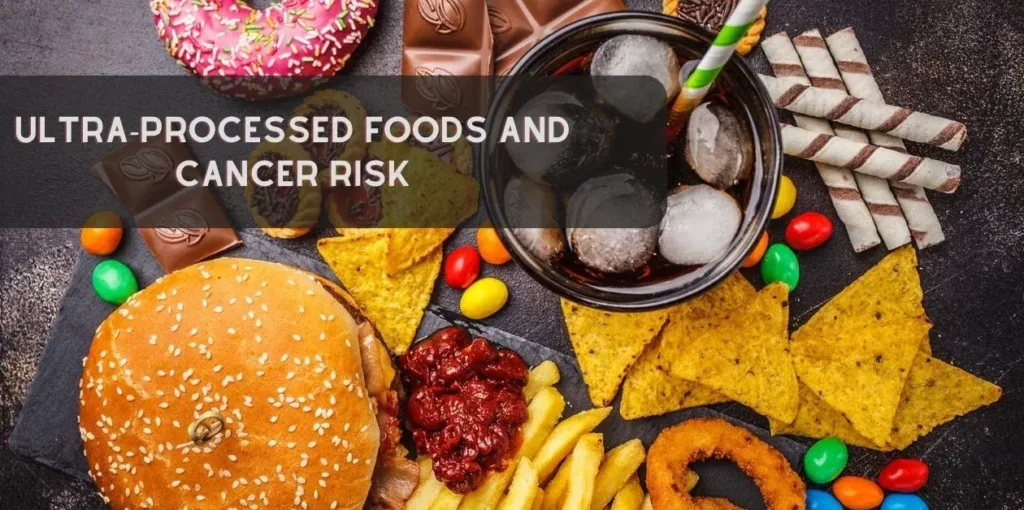
Why Are So Many Young People Getting Cancer Today? Across the world, oncologists are witnessing an alarming trend — cancer rates are increasing among young adults, particularly early-onset colorectal (colon) cancer. Many patients are surprised when diagnosed: One major explanation is becoming increasingly clear: what we eat every day. Growing scientific evidence now confirms a strong link between ultra-processed foods and cancer risk, even in individuals without traditional risk factors. What Are Ultra-Processed Foods? Ultra-processed foods (UPFs), as defined by the NOVA food classification system, are foods that have been heavily industrially manufactured and are far removed from their natural form. They commonly contain: Common Ultra-Processed Foods Consumed Daily 👉 Simple rule: If a food comes in a packet with a long ingredient list, it is likely ultra-processed. Ultra-Processed Foods and Cancer Risk: What Does Research Show? A large, high-quality study published in JAMA Oncology followed over 29,000 women for 24 years. Key Clinical Finding Women under the age of 50 who consumed the highest amounts of ultra-processed foods had a 45% higher risk of developing bowel polyps, which are known precursors to colorectal cancer. This data was further analysed by The Lancet Oncology, strengthening the evidence that processed foods significantly increase cancer risk, particularly cancers of the digestive system. Why Are These Findings Concerning? Bowel polyps often: This explains why colon cancer in young adults is being diagnosed more frequently, even in people in their 30s and 40s. 👉 Colorectal cancer is no longer a disease of old age alone. How Do Ultra-Processed Foods Increase Cancer Risk? Research highlights several biological mechanisms linking ultra-processed foods and cancer: 1. Chronic Inflammation Ultra-processed foods promote persistent, low-grade inflammation, a well-established driver of cancer development. 2. Gut Microbiome Imbalance These foods disrupt healthy gut bacteria and encourage harmful strains that: This connects gut microbiome damage directly to cancer risk. 3. Intestinal Barrier Breakdown According to experts like Dr Andrew T Chan, ultra-processed foods may weaken the gut barrier, allowing inflammation and abnormal cell growth to flourish. Why Younger People Are More Affected Unlike traditional cancers that develop after decades of exposure: In simple terms, the damage begins much earlier than we realise. Should You Panic? Absolutely Not. This research is meant to inform and empower, not frighten. The most important message is this:👉 Cancer risk is modifiable. What Can You Do to Reduce Cancer Risk Starting Today? 1. Eat More Whole, Real Foods Choose: 2. Read Food Labels Carefully If you cannot recognise most of the ingredients, avoid the product. 3. Reduce Ultra-Processed Foods Gradually You do not need to eliminate them completely. Even reducing daily intake significantly lowers cancer risk. 4. Stay Physically Active Regular exercise reduces inflammation and improves gut health — both crucial for cancer prevention through diet and lifestyle. A Message From Dr Saadvik Raghuram “Cancer prevention does not begin in hospitals — it begins in our kitchens.Small, consistent dietary changes today can significantly reduce cancer risk tomorrow.” When Should You Consult a Doctor? Seek medical advice if you experience: 👉 Early diagnosis saves lives.Book Your Appointment Today Frequently Asked Questions (FAQs) Do ultra-processed foods increase cancer risk? Yes. Scientific studies consistently show that ultra-processed foods increase cancer risk, especially colorectal cancer, due to inflammation, gut microbiome disruption, and intestinal damage. Can ultra-processed foods cause colorectal cancer? Long-term, frequent consumption of ultra-processed foods significantly raises the risk of colorectal cancer, particularly when exposure begins in childhood or early adulthood. Why is colon cancer increasing in young adults? The rise in colon cancer in young adults is linked to early exposure to ultra-processed foods, sedentary lifestyle, poor gut health, and chronic inflammation. Are all processed foods bad for cancer risk? No. Minimally processed foods like curd, paneer, frozen vegetables, and whole grains are generally safe. The concern is specifically with ultra-processed foods. How much ultra-processed food is safe? There is no defined safe limit. However, studies show that reducing ultra-processed food intake lowers cancer risk and improves gut health. Can diet help prevent cancer? Yes. A balanced diet rich in whole foods, fiber, and natural nutrients plays a major role in diet-based cancer prevention. Final Takeaway Cancer is not always preventable — but many risks are.
Cervical Cancer Awareness Month in India: How to Prevent an Avoidable Cancer
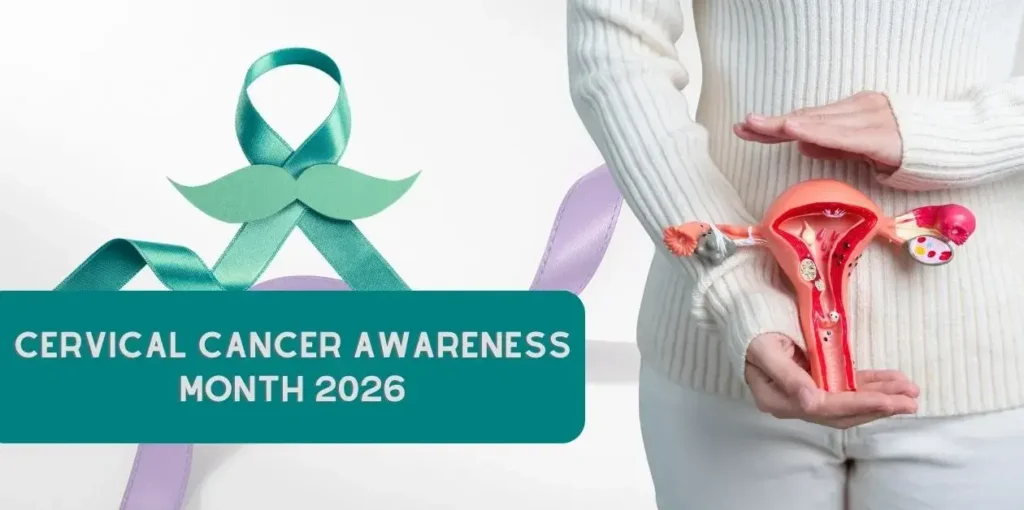
January is Cervical Cancer Awareness Month in India, and this article explains how Indian families can prevent this almost completely avoidable cancer with vaccination and screening. What Is Cervical Cancer? Cervical cancer starts in the cervix, the lower part of the uterus that opens into the vagina.The main cause is long-term infection with high-risk HPV (Human Papillomavirus), a very common virus that most people get at some point in life. Cervical Cancer in India: Latest Numbers You Must Know Why Cervical Cancer Is Still Common in India Many women reach doctors only when the cancer is already in an advanced stage. Cervical Cancer Symptoms and Early Warning Signs Many women with early cervical cancer have no symptoms, which is why regular cervical cancer screening is critical. Warning signs that need urgent check-up: Even one of these symptoms should lead to a prompt gynecologist visit; do not self-medicate or wait for it to “settle”. How to Prevent Cervical Cancer: HPV Vaccine and Screening HPV Vaccine in India: Who Should Take It? India is working on including HPV vaccination in the national immunization program to protect school-going girls at scale. Cervical Cancer Screening Tests: Pap Smear, HPV Test, VIA Even if you are vaccinated, you still need cervical cancer screening later in life because vaccines do not cover every HPV type.Common Myths That Cost Lives ❌ “I have no symptoms, so I’m fine”✔️ Most early cervical cancers have no symptoms ❌ “This won’t happen in educated families”✔️ HPV does not see education, income, or lifestyle ❌ “Cancer means death”✔️ Early-detected cervical cancer is highly curable WHO Goal: Eliminate Cervical Cancer in Our Lifetime What Every Indian Family Can Do This January A Message From My Clinic As an oncologist, nothing hurts more than seeing a cancer that didn’t have to reach this stage. Cervical cancer gives us: We must use them. Get Directions here What You Can Do Today ✔️ Talk to your doctor about HPV vaccination✔️ Encourage women in your family to get screened✔️ Do not ignore abnormal bleeding✔️ Share awareness — one conversation can save a life About the Author Dr. Saadvik Raghuram Y is a Medical Oncologist based in Hyderabad, dedicated to evidence-based cancer care, early detection, and public health awareness. FAQ – Cervical Cancer Awareness Month in India: How to Prevent a Avoidable Cancer Q1. Why is January observed as Cervical Cancer Awareness Month in India?January is marked as Cervical Cancer Awareness Month to educate the public about cervical cancer symptoms, HPV vaccination, and the importance of regular screening to prevent deaths. Q2. At what age should girls receive the HPV vaccine in India?The HPV vaccine is generally recommended for adolescent girls before sexual debut, with exact age schedules decided by national and state guidelines and the treating doctor. Q3. How often should women go for cervical cancer screening?Screening frequency depends on the test used and national guidelines, but women between 30–65 years are usually advised periodic Pap smears or HPV tests after consulting their gynecologist.
Cancer-Related Fatigue Awareness Month: Understanding the Most Overlooked Symptom in Cancer Care
Cancer-Related Fatigue (CRF) is one of the most common—and most underestimated—symptoms experienced by cancer patients. Unlike normal tiredness, this type of fatigue does not improve with rest, affects daily functioning, emotional wellbeing, and drastically reduces quality of life. Every year, Cancer-Related Fatigue Awareness Month serves as an important reminder to educate patients, caregivers, and the community about the realities, management, and support strategies for CRF. In this detailed guide, we dive into the causes, symptoms, diagnosis, treatment approaches, and essential lifestyle tips that help patients regain strength and energy during and after cancer treatment. What Is Cancer-Related Fatigue? Cancer-related fatigue is a persistent feeling of physical, emotional, or mental tiredness that is disproportionate to recent activities and not relieved by sleep. Patients often describe it as: Unlike regular fatigue, CRF can last weeks, months, or even years after cancer treatment. Studies show that: Recognizing and managing this fatigue early can greatly improve a patient’s quality of life. Why Is Cancer-Related Fatigue Awareness Month Important? Many people—including patients—assume that fatigue is a “normal part” of cancer and cannot be treated. However, this is not true. Awareness Month focuses on: 1. Educating about symptoms Many patients hesitate to talk about fatigue. They think it’s “not important enough” compared to cancer itself. Awareness Month encourages open conversations. 2. Breaking the stigma Fatigue is invisible. Patients often feel guilty for resting or worry people may think they are lazy. Awareness helps create empathy and understanding. 3. Highlighting treatments and support CRF can be managed. From diet to physical therapy to medication adjustments, several treatment strategies exist. 4. Encouraging early reporting Many people wait until fatigue becomes severe. Awareness Month reminds patients to inform their oncologist early. Causes of Cancer-Related Fatigue Cancer-related fatigue does not have a single cause. It is multifactorial and influenced by: 1. The cancer itself 2. Cancer treatments Treatments such as: Chemotherapy drugs reduce healthy blood cells, especially red blood cells, leading to anemia, one of the major causes of CRF. 3. Medications Painkillers, sleep aids, anti-nausea drugs, and steroids can cause fatigue as a side effect. 4. Emotional and psychological factors 5. Sleep disturbances Pain, breathing difficulty, hot flashes, and hospital routines can interrupt sleep cycles. 6. Nutritional imbalances Poor appetite, weight loss, vitamin deficiencies, dehydration, and muscle loss contribute to fatigue. Symptoms of Cancer-Related Fatigue Patients experience CRF differently, but common symptoms include: Recognizing these symptoms early helps oncologists plan timely interventions. Diagnosis of Cancer-Related Fatigue CRF is diagnosed mainly through patient history and symptom assessment. Doctors may evaluate: Standard tools like the Brief Fatigue Inventory (BFI) or Fatigue Symptom Inventory (FSI) help measure fatigue severity. Treatment & Management Strategies Cancer-related fatigue can be managed effectively through a combination of medical and lifestyle approaches. 1. Treating the underlying cause Your oncologist may recommend: ✔ Treating anemia ✔ Managing pain Better pain control improves sleep and reduces fatigue. ✔ Adjusting medication dosages Some medications can be reduced, changed, or scheduled differently. 2. Nutrition and hydration Eating small, frequent, protein-rich meals helps maintain energy. Fatigue-fighting foods include: A dietitian may recommend supplements, especially in cases of vitamin D or B12 deficiency. 3. Gentle physical activity It may sound surprising, but light exercise reduces fatigue more effectively than rest. Recommended activities: Aim for 15–30 minutes daily, based on your oncologist’s advice. 4. Sleep hygiene practices Good sleep is crucial. Helpful tips: 5. Stress management CRF often worsens with emotional stress. Proven techniques include: 6. Energy conservation techniques Work smarter—not harder. Patients can follow: How Caregivers Can Help Caregivers play a pivotal role in supporting patients with cancer-related fatigue. 1. Create a comfortable environment Ensure the home is clean, peaceful, and clutter-free. 2. Help with daily tasks Assist with cooking, cleaning, medication reminders, and hospital visits. 3. Encourage open communication Ask how they feel daily and track energy patterns. 4. Motivate without pressure Encourage gentle activities while avoiding pushing too hard. 5. Support emotional health Listen, talk, and help them stay socially connected. Living With Cancer-Related Fatigue: Patient Tips Over time, patients learn to recognize patterns and adjust activities accordingly. When to See Your Oncologist Seek medical help if: Timely intervention makes recovery easier.
Aplastic Anemia Awareness Month: Understanding a Silent but Serious Blood Disorder
Every year, Aplastic Anemia Awareness Month shines a spotlight on a rare yet severe blood disorder that often goes unnoticed until it becomes life-threatening. While conditions like leukemia or lymphoma are widely discussed, aplastic anemia remains under-recognized — despite its profound impact on patients and families. This month serves as a vital reminder to educate, spread awareness, and encourage timely diagnosis and treatment. What Is Aplastic Anemia? Aplastic anemia is a life-threatening condition where the bone marrow fails to produce enough blood cells, including: When all three are low, the risk of fatigue, infections, and bleeding increases drastically. Causes of Aplastic AnemiaAplastic anemia can develop due to: Identifying the cause helps guide the right treatment plan. Common Symptoms You Should Never Ignore Early symptoms often go unnoticed or misdiagnosed. Key signs include: Early detection can significantly improve patient outcomes. Who Is More Likely to Develop Aplastic Anemia? Risk increases in: Awareness is crucial for these groups. Diagnosis: How Doctors Confirm Aplastic Anemia Evaluations include: A prompt diagnosis is essential because the condition can worsen rapidly. Available Treatment Options Modern medical advancements have greatly improved survival rates. 1. Immunosuppressive Therapy (IST) Helps prevent the immune system from attacking bone marrow. 2. Blood Transfusions Provide temporary support for RBCs, WBCs, and platelets. 3. Bone Marrow or Stem Cell Transplant A potential cure for suitable patients with a matching donor. 4. Growth Factors Stimulate bone marrow to produce blood cells. 5. Infection Control Crucial due to low immunity. Why Aplastic Anemia Awareness Month Matters This initiative fosters: Raising awareness can save lives. How You Can Contribute This Month Collective action leads to meaningful change. Recommended: October: Breast Cancer Awareness Month — Empowering Hyderabad with Knowledge and Action Conclusion Aplastic Anemia Awareness Month is more than an annual observance — it is a lifeline for those battling this rare blood disorder. With the right knowledge, early diagnosis, and access to modern treatments, patients can reclaim a full and healthy life. Let us join hands to spread awareness, support affected families, and advocate for better care and early detection.— Dr. Saadvik Raghuram Y Senior Consultant & Chief of Medical Oncology
AQI and Cancer: The Hidden Health Crisis We Cannot Ignore
By Dr. Saadvik Raghuram Y Senior Consultant & Chief of Medical Oncology, Hyderabad 1. What is AQI and why it matters for your long-term health The Air Quality Index (AQI) measures toxic pollutants in the environment such as: Among these, PM2.5 is the most harmful. These ultra-microscopic particles easily enter the lungs, bloodstream, and even the brain—making the connection between AQI and Cancer a growing concern in India. 2. How poor AQI affects the body When AQI crosses 150, health risks increase dramatically. Common effects include: The danger is not limited to the lungs. Pollutants circulate throughout the body, damaging DNA, triggering chronic inflammation, and increasing long-term cancer risk. Recommended: Chronic Stress and Cancer: Does Being Constantly Stressed Increase Your Cancer Risk? 3. Air Pollution and Cancer: What research reveals A. Lung Cancer (especially in non-smokers) A 2023 Nature study found that PM2.5 exposure activates dormant EGFR-mutated pre-cancerous cells, leading to early lung cancer even in non-smokers. B. Bladder Cancer Polluted air contains carcinogens that enter the bloodstream and get filtered through the kidneys, increasing the levels of cancer-causing substances in urine. C. Breast Cancer PM2.5 exposure is linked to: D. Childhood Cancers Children living in high-traffic or industrial areas show higher risks of leukemia and lymphoma. 4. Why Indians face higher risk Several factors increase susceptibility: This combination amplifies inflammatory pathways, raising cancer risk significantly. 5. Practical ways to protect yourself A. Protect your lungs B. Improve indoor air quality C. Boost the body’s natural detox systems D. Medical screening (for high-risk individuals) 6. What India must do at a systemic level Conclusion The relationship between AQI and Cancer is no longer theoretical—it’s a proven public health threat. As pollution rises, so does the burden of lung cancer, bladder cancer, breast cancer, and childhood cancers. Clean air is not a luxury—it is a necessity. Protect yourself, educate your families, and demand cleaner air for future generations.— Dr. Saadvik Raghuram Y Senior Consultant & Chief of Medical Oncology
Chronic Stress and Cancer: Does Being Constantly Stressed Increase Your Cancer Risk?
In today’s fast-paced world, stress has almost become a way of life. While short bursts of stress can motivate us to perform better, constant or chronic stress can take a serious toll on our body and mind. But here’s a common question — does being constantly stressed actually increase your risk of cancer? Let’s separate the fear from the facts, as explained by Dr. Saadvik Raghuram, HOD – Medical Oncology, who sheds light on what science really says about the link between stress and cancer biology. The Science Behind Stress and Cancer In animal and laboratory studies, researchers have found that stress hormones — particularly cortisol and adrenaline — can promote cancer cell growth and spread. These hormones influence several biological processes, including: These findings suggest that stress, through hormonal and immune pathways, can play a role in cancer development — at least in theory and in controlled experiments. What Do Human Studies Show? When these findings were tested in human clinical trials, the results were mixed.Some studies found that individuals experiencing chronic psychological stress were at a slightly higher risk of certain cancers, such as breast or colorectal cancer. However, other large-scale studies did not find a direct link between stress levels and the occurrence of cancer. This suggests that while stress may influence the progression or outcomes of cancer, it may not directly cause it. The Mind–Body Connection: Why It Still Matters Even if stress doesn’t directly cause cancer, its indirect effects on health are undeniable.Chronic stress can lead to: All of these are well-established risk factors for cancer and other chronic diseases. Managing stress, therefore, plays a crucial role in maintaining overall health and potentially reducing cancer risk indirectly. How to Manage Stress for Better Health If you often find yourself overwhelmed, here are some effective ways to keep stress in check: Conclusion While science continues to study the complex link between chronic stress and cancer, one thing is clear — managing stress is vital for a healthier life.Stress may not directly cause cancer, but its impact on hormones, immunity, and inflammation makes it a factor worth addressing. As Dr. Saadvik Raghuram reminds us, “Stress is inevitable, but how we manage it defines our health journey.” So before you say “I’m just stressed!” again — take a pause, breathe deeply, and remember: a calm mind supports a stronger body.
October: Breast Cancer Awareness Month — Empowering Hyderabad with Knowledge and Action

By Dr. Saadvik Raghuram, Consultant Medical Oncologist, Hyderabad A Global Movement for Women’s Health October marks Breast Cancer Awareness Month, a worldwide initiative dedicated to empowering women through knowledge, early detection, and collective action against breast cancer. As the most common cancer affecting women, breast cancer’s impact is deeply felt across India—particularly in fast-growing cities like Hyderabad, where lifestyle shifts and cultural barriers can delay diagnosis. In this guide, Dr. Saadvik Raghuram, one of Hyderabad’s leading medical oncologists, shares expert insights to help you and your loved ones make informed, life-saving decisions. Breast Cancer Awareness Month: The Urgency in Hyderabad Globally, over 2.3 million women are diagnosed with breast cancer every year. Yet, outcomes differ sharply between countries—largely due to the timing of diagnosis. In India, many women still present with advanced-stage disease, resulting in lower survival rates compared to the global average. Hyderabad’s urban diversity and cultural dynamics create unique challenges—making local education and awareness essential. Awareness is not just symbolic—it’s the first step toward saving lives. Understanding Breast Cancer: Symptoms and Risks Breast cancer develops when abnormal cells grow uncontrollably in the breast tissue, forming a lump or mass.The two primary types are: Key Warning Signs ⚠️ Myth Buster: Early breast cancer is often painless. Don’t wait for pain—get screened regularly. Why Early Detection Saves Lives Early detection remains the cornerstone of breast cancer treatment.When discovered early—often before symptoms appear—survival rates exceed 90%. Recommended Screening Practices Dr. Saadvik Raghuram urges Hyderabad’s women to overcome hesitation and prioritize screenings—as fear and misinformation remain major barriers.Unique Challenges Faced by Women in Hyderabad Despite medical advances, several social and practical challenges hinder early detection: Breaking these barriers requires community-driven initiatives—including multilingual education, survivor advocacy, and public health campaigns that reach every woman. Advances in Breast Cancer Care: A Doctor’s Perspective Dr. Saadvik Raghuram highlights recent innovations that are transforming breast cancer care: These breakthroughs are turning breast cancer from a life-threatening disease into a treatable condition with lasting hope. Real Stories, Real Inspiration The theme for Breast Cancer Awareness Month 2025—“Every Story, Every Journey Matters”—celebrates survivor voices. Across Hyderabad, courageous women share how timely screenings and expert care helped them reclaim their lives. Their journeys stand as powerful reminders that early detection means survival. Community Action and Screening Drives in Hyderabad Throughout October, awareness events, seminars, and free screenings are held across Hyderabad. Local hospitals and clinics offer: Take charge this October—book your screening, attend an event, and share information with those around you. Take the Lead: Schedule Your Breast Screening Today If your breast exam or mammogram is overdue, now is the time. Hyderabad offers accessible options across hospitals and clinics. How to Get Started Early screening isn’t just a test—it’s an act of self-love and responsibility. Conclusion: Toward a Future Without Fear Breast Cancer Awareness Month is more than an annual campaign—it’s a collective mission to ensure that no woman suffers in silence or discovers her cancer too late. Together, through awareness, early detection, and compassionate care, we can build a future where breast cancer no longer takes lives—it only inspires strength. Dr. Saadvik Raghuram reminds every woman:“Your health is your strength. Protect it by making informed choices. Act today—because early awareness and timely action save lives.”
Junk Food and Cancer Risk: Is There Really a Connection?
By Dr. Saadvik Raghuram | Medical Oncologist, Hyderabad When we think of cancer risk factors, smoking and alcohol often come to mind. But in today’s fast-paced world, another silent culprit is increasingly under scrutiny: junk food. Burgers, pizzas, fried snacks, sugary drinks, and ultra-processed packaged foods have become a staple in many diets — but can these really increase the risk of cancer? Let’s explore what research says about junk food and cancer risk and why understanding this link matters to protect your health. What Exactly is “Junk Food?” “Junk food” generally refers to ultra-processed foods (UPFs) as classified by the NOVA system. These are foods that are: Common examples include packaged chips, fried fast foods, instant noodles, sweetened beverages, and processed meats. These are at the core of the growing concern around junk food and cancer risk. Scientific Insights on Junk Food and Cancer Risk Large-Scale Studies on Junk Food and Cancer Risk Practical Tips to Reduce Junk Food and Cancer Risk You don’t need to eliminate your favorite snacks completely, but moderation and informed choices are key: Expert Note from Dr. Saadvik Raghuram “Cancer prevention isn’t about a single food but the overall pattern of your diet and lifestyle. Excessive junk food consumption increases obesity and deprives your body of essential nutrients and protective compounds that combat cancer risk. Small, consistent dietary changes can have a significant long-term impact.”If You Have any Doubts about this just Contact Us Final Word While occasional indulgence in junk food may seem harmless, regular habitual consumption elevates junk food and cancer risk through obesity, inflammation, carcinogens, and nutrient deficiencies. Building a balanced diet centered on whole foods remains one of the most effective strategies to protect yourself from cancer.


